Hey everyone, if you’ve been dabbling in custom merch design or thinking about starting a small side hustle with apparel, mugs, phone cases, or even those super popular 3D stickers, you’ve probably heard someone raving about UV DTF printers lately. As someone who’s been supplying these printers to creators and small business owners for the last few years, I get it—when you’re new to all this, any new machine feels like a nightmare of confusing settings, jargon, and hours of trial and error just to get one half-decent print. So let’s cut through the noise: Is a UV DTF printer actually easy for beginners? Spoiler: It’s way more beginner-friendly than most people think, but there are a few things you should know before you hit “buy” to avoid that frustrating first-week slump. UV DTF Printer
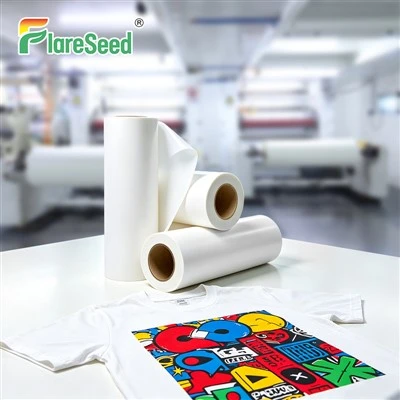
First off, let’s make sure we’re on the same page about what UV DTF even is, because a lot of new folks mix it up with old DTF or screen printing. Traditional DTF requires a whole separate set up: you print your design on a special film, dust it with powder, heat it to activate the adhesive, then press it onto your substrate. That’s like three extra steps right there, not to mention the mess of powder getting everywhere and having to adjust your heat press time for every fabric. UV DTF? It’s basically sticker tech that sticks to almost anything—fabrics, mugs, glass, metal, phone cases, even wood, and you don’t need a heat press. The “UV” part means it uses ultraviolet light to cure the ink instantly, right there on the printer. That alone is a game-changer for beginners because you don’t have to worry about mess, extra tools, or ruining a whole batch of shirts if your heat press is off by 10 degrees.
Now, let’s talk about learning curve, because that’s the big question. When a brand-new customer unboxes their first UV DTF printer, what’s the first thing they notice? For most entry-level models (the ones we supply to hobbyists and side hustlers, not the industrial 10K machines), the software is way simpler than old printers. A lot of people assume you need fancy design degrees to use these, but no—most printers come with pre-installed, user-friendly design software that’s basically a stripped-down version of Canva with print settings built right in. You don’t have to mess with CMYK color profiles for hours, or adjust weird bleed settings; the software gives you prompts like “select your substrate type” and it auto-adjusts everything for you. I’ve had customers who never used a printer before make their first custom sticker on their third try, no prior experience needed.
Wait, but what about setup? Unboxing a printer can feel intimidating, but modern UV DTF printers are designed to ship mostly pre-assembled. You don’t have to hook up 10 different cables, calibrate a dozen parts, or spend a whole day putting it together. The average setup time for a beginner is like 30 minutes: unbox, plug in the power and USB (or Wi-Fi, even easier), load your A B film roll (that’s the two-part film we use—no need to buy special rolls, just standard UV DTF film), and do a quick nozzle check. Our team even puts together a step-by-step video guide for every customer, and honestly, most newbies follow that and don’t run into any hiccups. The only time people struggle at first is if they skip the nozzle check, and that’s a quick fix—just run a clean cycle, which the printer does automatically if it detects an issue.
Another big win for beginners: material flexibility. Let’s say you start with printing stickers for your Etsy shop, then decide you want to branch out to custom mugs, or hats, or even laptop skins. With UV DTF, you don’t have to buy a whole new set of supplies or learn a new process. You just load the appropriate film roll (wait, no—actually, most entry-level printers use the same film for all substrates, right? You just adjust the print settings slightly in the software, which it walks you through). I had a customer last month who started with printing phone cases, then a week later was printing custom dog bandanas, then a month later was doing wine glasses for a local winery—all with the same printer, no extra tools. That’s huge for beginners who don’t want to drop money on multiple machines as they grow their business.
But let’s be real, it’s not all sunshine and rainbows. There are a few things that can trip up new users if they don’t go into it with their eyes open. First, the ink: UV DTF ink is a bit different than traditional ink, and if you let the printer sit idle for more than 3-5 days, the ink can cure in the print head. That’s not a maker problem, that’s a “if you’re going to use it once a week, make sure to run a nozzle check once every 3 days” thing. A lot of beginners set up their printer, print one design, then leave it for two weeks, and come back to a clogged print head, and they’re like “this printer is garbage!” It’s not garbage—you just have to maintain it a little, which is super easy once you get in the habit. We always tell new customers to keep a small bottle of cleaning solution for the print head, and it takes 2 minutes to run a clean cycle if needed.
Another thing: design size. Entry-level UV DTF printers have a maximum print size, usually around 12×16 inches for the ones we recommend for beginners. If you want to print a design bigger than that, you’d need a mid-range machine, but for most side hustles (stickers, small apparel designs, mug wraps), that’s more than enough. I’ve had customers try to print a design that’s too big, and they get frustrated, but that’s just a “do your research on what size you need before buying” thing. Also, the decal application process—wait, is that hard? Let’s talk about that, because that’s a step a lot of new folks worry about. When your print is done, it’s a clear sticker with a top layer (the B film) that you peel off, right? You apply that to your substrate, then peel off the bottom A film, and the design is stuck on. It sounds weird at first, but after a few tries, it’s second nature. Our team includes a practice sheet with every printer so new users can mess up a couple times without wasting film, and by the third application, they’ve got it down. I’ve seen customers post Reels of themselves applying decals in 10 seconds flat, no problem.
Wait, let’s address the elephant in the room: cost. Beginners often worry about the upfront cost vs. the value, and honestly, UV DTF is way more accessible now than it was 5 years ago. Entry-level printers start at a price that’s way lower than a traditional DTF setup (which needs a heat press, powder system, multiple film rolls) or screen printing equipment (which costs thousands and requires a whole new skill set). You can get a basic UV DTF printer for a fraction of the cost, and the materials are cheap—each A B film roll prints hundreds of decals, so your per-item cost is super low, which is perfect for making profit as a new small business. I’ve had customers turn their $1,500 printer into a $3,000 a month side hustle within 6 months, all because it was easy enough to learn without hiring a designer or a technician.
But what about support? That’s a big one for beginners, because if something goes wrong, you don’t want to be left staring at a screen at 10 PM with no one to help. The UV DTF printers we supply come with free 24/7 customer support, not just a generic FAQ page. Our team has a line dedicated to new users, so if you can’t figure out why your decal isn’t sticking, or your print is blurry, you can shoot a text or a video call and we’ll walk you through it step by step. A lot of big brand printers leave new users hanging, but that’s not the case here. We even send a small sample pack of film and ink with every order so you can test it out before you commit to bulk supplies, which takes the stress out of buying.
Let’s wrap this up for the newbies: If you’re a beginner looking for a machine that doesn’t require years of experience, doesn’t need a bunch of extra tools, and can grow with you as you start a side hustle, yes—UV DTF is super easy to use. The learning curve is tiny, the software is designed for people who aren’t tech wizards, the setup is quick, and the application process becomes second nature after a few tries. The only real pitfalls are the tiny maintenance steps (print head checks, not letting ink sit idle) and making sure you get the right size printer for your needs, which are easy to avoid with a little prep.

Now, if you’re ready to dive in and see how a UV DTF printer can work for your projects, we’re here to help with all your questions, from setup to choosing the right materials for your first prints. We can walk you through every step, help you pick the perfect entry-level model, and make sure you have all the support you need to start making custom designs in no time.
Sublimation Printer References:
- Custom Print Business Association. (2023). Beginner-Friendly Digital Printing Equipment Guide.
- UV DTF Tech Lab. (2022). Operating Basics for Entry-Level UV DTF Printers.
- Small Business Trends Report. (2023). Side Hustle Tools: Accessibility of Custom Printing Machinery.
- Printavo. (2024). Comparing UV DTF and Traditional DTF for New Merch Makers.
Guangzhou FlareSeed Digital Technology Co., Ltd.
As one of the most professional UV DTF printer manufacturers and suppliers in China, we also support customized service. We warmly welcome you to wholesale durable UV DTF printer made in China here from our factory. If you have any enquiry about free sample, please feel free to email us.
Address: Room 201, No.1-1, Dajiangyun Street, Nancun, Baiyun District, Guangzhou
E-mail: chloe@asia-print.com
WebSite: https://www.flare-seed.com/
