Hey there! If you’re a homeowner with a tile roof (you know, those classic clay or concrete tiles that give your home that timeless curb appeal) and you’ve been eyeing solar panels to cut energy bills, slash your carbon footprint, or just upgrade your property—you’ve probably stared at that bumpy, colorful tile surface and thought, Wait, can solar panels even go there? As a solar panel supplier who’s worked with hundreds of homeowners on exactly this question, I’m here to pull back the curtain on what’s actually possible, what to watch for, and how to make the whole process work seamlessly for your tile roof. No jargon, no sales fluff—just real talk from someone who’s seen both the perfect installs and the missteps. Solar Panels
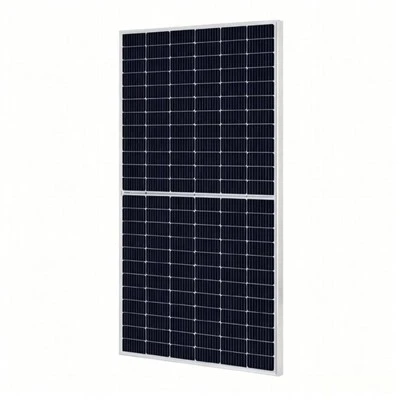
First, let’s get the big myth out of the way right now: yes, solar panels absolutely can be installed on tile roofs. I know, I know—when you picture solar, you usually think of those flat asphalt shingle roofs that are so common in new neighborhoods. But tile roofs? That’s not a barrier. In fact, tile roofs are often a great candidate for solar—they’re durable, they last 50+ years (way longer than most asphalt roofs), and their sloped design is perfect for shedding water, which helps protect both the roof and your solar system. The trick isn’t whether it’s possible—it’s how you do it without damaging the tiles that make your home look like yours.
Let me walk you through how the installation actually works, because this is where a lot of homeowners get nervous. You can’t just drill a hole in a tile and slap a panel on top—well, technically some people try that, but that’s a fast track to leaks, broken tiles, and expensive repairs later. Our team (and every reputable solar installer we partner with) uses a system called racking that’s specifically designed for tile roofs. Racking is the metal framework that holds your solar panels in place, tilted at the optimal angle to catch sunlight. For tile roofs, we don’t drill through the tiles directly (most of the time, anyway—more on that in a second). Instead, we drill into the structural roof deck that’s under the tiles, then attach the racking brackets to those deck joists. We then slide the tiles back into place around the brackets, so the tiles stay intact, weatherproof, and looking like they belong.
Wait, so do we ever have to drill through tiles? Only in rare cases, like if the roof deck is compromised or the layout of your joists means we can’t reach them from above. But even then, we use a specialized drilling technique that leaves the tile intact—we make a small, clean hole, then seal it with a high-quality, UV-resistant roof sealant that’s made specifically for tiles. We never leave a hole open to the elements, because one of the biggest risks of solar installation on any roof is leaks. That’s why we only work with installers who back up their work with a 10-year leak guarantee—no exceptions.
Now, let’s talk about the different types of tile roofs, because not all tiles are created equal, and that can affect how the install goes. The most common are clay tiles and concrete tiles. Clay tiles are the lighter, more porous ones often used in Mediterranean-style homes, while concrete tiles are heavier, sturdier, and popular in colder climates where they can handle snow and ice. Both work for solar, but concrete tiles are usually a bit easier to work with because they’re thicker and less likely to crack during installation. If you have clay tiles, our installers are extra careful when sliding them back into place—we use padded tools to avoid chipping, and we always carry extra tiles on the day of installation, just in case.
What about old tile roofs? Like, the ones that have been on your home for 40 or 50 years? We still can install solar, but we do a full roof inspection first. That means our partner installer will climb up (with proper safety gear, of course) and check for any broken, missing, or damaged tiles. If the roof is in good shape, we can go ahead with the racking system. If there are damaged tiles, we fix those first before putting up panels. And here’s a pro tip: if your tile roof is nearing the end of its lifespan (say, 50 years or less), installing solar is a perfect time to replace it if you ever need to—because you’ll already have the installers up there, and you can coordinate the two projects to save time and money.
Now, let’s get into the practical stuff that matters to you: how long does the install take, and how much will it cost? For a typical 1,500-square-foot home with a tile roof, the install usually takes 1 to 3 days. That’s a little longer than a shingle roof install, because we’re extra careful with the tiles, but it’s still way less time than most people expect. As for cost? The price of a solar system depends on how many panels you need, your energy usage, and local incentives, but tile roof installations are often comparable to shingle roof installations. Any small extra cost is usually offset by the fact that tile roofs last longer—so when your solar system needs to be replaced (in 25 to 30 years), your tiles will probably still be good, so you won’t have to tear off the roof first.
Wait, but let’s address the one question I get asked more than any other: will installing solar on my tile roof void the roof’s warranty? That’s a huge concern, and it’s one we take very seriously. Most tile roof warranties are for 20 to 50 years, and they usually have clauses that say you can’t make alterations to the roof surface that void the warranty. That’s why we only work with installers who are certified by the Tile Roofing Institute (TRI)—they know exactly what’s allowed and what’s not. When we do drill through tiles (again, rare), we use methods that are within the warranty’s guidelines, and we provide a certificate of installation to the homeowner to share with the tile manufacturer if needed. We’ve never had a homeowner have their warranty voided because of a solar install, as long as we follow those rules.
Let me also share a real example to put this in perspective. Last year, I worked with a couple in Arizona named Mark and Lisa who had a 10-year-old clay tile roof on their mid-century modern home. They’d been on the fence about solar for years because they thought the tiles would ruin the look of their house—and let’s be real, their home had that iconic Santa Fe vibe, and they loved how the tiles made it stand out. We worked with their local certified installer to design a system that fit the layout of their roof without covering any of the decorative tile patterns along the edges. We used low-profile racking that sits close to the tiles, so the panels didn’t look bulky or out of place. The install took two days, and a year later, they send us a photo every time their grandkids come over, pointing out that their energy bill is 40% lower than before. They even told us their neighbors are asking about solar now, and half of them have tile roofs too. That’s the kind of win we love.
Now, what are the potential downsides, so you don’t go into this with rose-colored glasses? First, not all roof angles are ideal. If your tile roof is really steep (like over 45 degrees), the install is a bit more complex and may cost a little more, but it’s still possible. Second, if you live in an area with a lot of wind or extreme weather, we may need to use extra-secure racking to make sure the panels stay in place—we use wind-tested systems that meet local building codes, so that’s never a safety issue. Third, if you plan to sell your home in the next 5 to 10 years, you should check with your real estate agent—solar panels usually add value to a home, and tile roof solar installs are even more desirable because of the durability.
So, what’s the bottom line? If you have a tile roof, you don’t have to choose between your home’s classic look and the benefits of solar. The key is to work with an experienced, reputable solar provider who knows how to work with tile roofs—someone who doesn’t cut corners, who uses certified installers, and who prioritizes protecting your roof as much as they do installing your panels.
If you’re ready to stop wondering and start moving forward, we’re here to help. Whether you’re just starting to research solar or you have specific questions about your tile roof, our team can connect you with a local certified installer who can do a free, no-obligation inspection of your roof and give you a customized quote. We know this is a big decision, and we don’t push you into anything—we just provide honest, straightforward info so you can make the best choice for your home and your budget.
Don’t let your tile roof hold you back from the energy savings and environmental benefits you deserve. Reach out to us today to start the conversation.
Bifacial Solar Panels References:
- International Code Council. (2021). International Residential Code for One- and Two-Family Dwellings.
- Tile Roofing Institute. (2022). Certified Installer Standards for Roof Alterations.
- Solar Energy Industries Association. (2023. Racking Best Practices for Sloped Tile Roofs.
- National Roofing Contractors Association. (2022). Roof-Solar Integration Guidelines.
Dongguan MylAn International Trade Co., Ltd.
As one of the most professional solar panels manufacturers and suppliers in China, we’re featured by quality products and good price. Please rest assured to buy advanced solar panels in stock here from our factory. Welcome to contact us for pricelist.
Address: Room 401, Building 5, No.7, Machong Section, Shuixiang Avenue, Machong Town, Dongguan City, Guangdong Province
E-mail: salee@mylansolar.com
WebSite: https://www.mylansolar.com/
