PVC edge banding is a widely used material in the furniture and cabinet – making industry, prized for its durability, affordability, and aesthetic appeal. As a PVC edge banding supplier, I understand the importance of maintaining its quality and appearance. A clean PVC edge banding not only enhances the overall look of furniture but also extends its lifespan. In this blog, I’ll share some effective methods on how to clean PVC edge banding. PVC Edge Banding
Understanding the Nature of PVC Edge Banding
Before delving into the cleaning process, it’s vital to know the properties of PVC edge banding. PVC, or polyvinyl chloride, is a synthetic plastic polymer. It is resistant to many chemicals, water, and abrasion, which makes it suitable for various applications. However, over time, it can accumulate dirt, grease, and stains. Different types of dirt require different cleaning approaches, so let’s start by identifying the common types of dirt on PVC edge banding.
1. Daily Dust and Debris
The most common type of dirt on PVC edge banding is daily dust and debris. This includes particles that settle on the surface from the air, such as dust from cleaning, sand, or pollen. These are usually easy to remove with basic cleaning methods.
2. Grease and Oil Stains
In kitchen cabinets or areas where food is prepared, PVC edge banding can come into contact with grease and oil. These stains can be more stubborn and require stronger cleaning agents.
3. Ink and Dye Stains
Accidental spills of ink or dyes can occur in office furniture or areas where writing materials are used. These stains need special treatment to prevent permanent damage to the PVC surface.
Basic Cleaning for Daily Dust and Debris
For regular maintenance of PVC edge banding, daily or weekly cleaning can remove the dust and debris that accumulate on the surface.
Materials Needed
- Soft microfiber cloth
- Mild dish soap
- Warm water
Cleaning Steps
- Prepare the Cleaning Solution: Fill a bucket or a spray bottle with warm water. Add a small amount of mild dish soap. Be careful not to add too much soap, as excess soap residue can leave a film on the PVC surface.
- Dampen the Cloth: Dip the soft microfiber cloth into the soapy water. Wring out the cloth thoroughly so that it is only slightly damp. A wet cloth can cause water to seep into the edges of the furniture, which may lead to damage.
- Wipe the Edge Banding: Gently wipe the PVC edge banding in the direction of the grain. This helps to prevent scratching the surface. Pay special attention to the corners and crevices where dust tends to accumulate.
- Rinse the Cloth: Rinse the cloth in clean water frequently to remove the dirt that has been picked up. This ensures that you are not spreading the dirt back onto the edge banding.
- Dry the Surface: After wiping the entire edge banding, use a dry microfiber cloth to dry the surface completely. This prevents water spots from forming and helps maintain the shine of the PVC.
Removing Grease and Oil Stains
Grease and oil stains on PVC edge banding can be more challenging to clean. However, with the right approach, you can effectively remove them.
Materials Needed
- Degreaser (either a commercial product or a homemade solution)
- Soft – bristle brush (for stubborn stains)
- Soft microfiber cloth
- Warm water
Cleaning Steps
- Choose a Degreaser: If you’re using a commercial degreaser, make sure it is safe for PVC surfaces. Read the label carefully before use. You can also make a homemade degreaser by mixing equal parts of white vinegar and water. Vinegar is a natural degreaser and is safe for PVC.
- Apply the Degreaser: Spray or apply the degreaser to the greasy areas of the PVC edge banding. Let it sit for a few minutes to allow the degreaser to break down the grease.
- Scrub the Stains: If the stains are stubborn, use a soft – bristle brush to gently scrub the affected areas. Be careful not to scrub too hard, as this can damage the PVC surface. Scrub in a circular motion to lift the grease from the surface.
- Wipe Away the Grease: After scrubbing, use a soft microfiber cloth to wipe away the dissolved grease and the degreaser. Rinse the cloth in warm water frequently to avoid spreading the grease.
- Rinse and Dry: Once the grease is removed, rinse the edge banding with clean water to remove any degreaser residue. Then, dry the surface thoroughly with a dry microfiber cloth.
Treating Ink and Dye Stains
Ink and dye stains on PVC edge banding need immediate attention to prevent them from setting permanently.
Materials Needed
- Rubbing alcohol (isopropyl alcohol)
- Cotton balls or swabs
- Soft microfiber cloth
- Mild dish soap and warm water
Cleaning Steps
- Test the Alcohol: Before applying rubbing alcohol to the entire stain, test it on a small, inconspicuous area of the PVC edge banding to ensure it does not cause any damage or discoloration.
- Apply the Alcohol: If the test is successful, soak a cotton ball or swab in rubbing alcohol. Gently dab the stained area, starting from the outer edge of the stain and moving towards the center. This helps to prevent the stain from spreading.
- Remove the Stain: Continue dabbing until the ink or dye starts to lift off the surface. You may need to use several cotton balls or swabs, depending on the size of the stain.
- Clean with Soap and Water: After removing the stain, clean the area with a mild dish soap and warm – water solution to remove any alcohol residue. Wipe the area with a soft microfiber cloth and then dry it thoroughly.
Special Considerations for Different Surface Finishes
PVC edge banding comes in different surface finishes, such as glossy, matte, or textured. Each finish requires a slightly different approach when it comes to cleaning.
Glossy Finishes
Glossy PVC edge banding is more prone to showing smudges and fingerprints. When cleaning, avoid using abrasive materials that can scratch the shiny surface. Stick to soft microfiber cloths and mild cleaning solutions. After cleaning, buff the surface gently with a dry microfiber cloth to restore its shine.
Matte Finishes
Matte finishes are less likely to show smudges, but they can be more difficult to clean as dirt can get trapped in the flat surface. Use a soft – bristle brush to gently brush away the dirt before wiping with a damp cloth. Do not use harsh chemicals that can change the appearance of the matte finish.
Textured Finishes
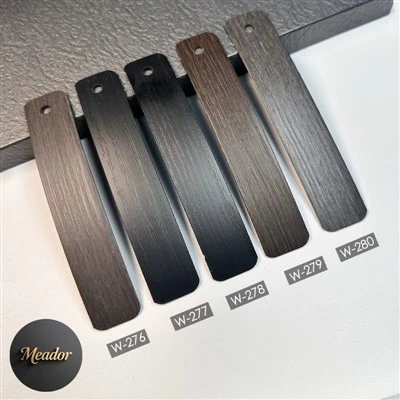
Textured PVC edge banding has more surface area for dirt to accumulate. Use a soft – bristle brush to clean the grooves and uneven areas. Pay extra attention to the details to ensure a thorough cleaning.
Tips for Preventing Dirt and Stains
- Use Protective Mats: In areas where PVC edge banding is likely to come into contact with food or drinks, such as kitchen countertops, use protective mats. This can prevent spills from directly hitting the edge banding.
- Regular Dusting: Make dusting part of your regular cleaning routine. This can prevent dust from building up and becoming more difficult to remove.
- Avoid Harsh Chemicals: Do not use abrasive cleaners, bleach, or ammonia – based products on PVC edge banding. These chemicals can damage the PVC surface and cause discoloration.
Office Furniture Edge Banding As a PVC edge banding supplier, I am dedicated to providing high – quality products and useful advice to our customers. Proper cleaning and maintenance of PVC edge banding can ensure that it retains its beauty and functionality for a long time. If you are in the market for PVC edge banding, or if you have any questions about our products, I encourage you to reach out and start a conversation with our team. We are more than happy to assist you in finding the right solutions for your furniture and cabinet – making needs.
References
- "Plastic Materials Handbook" by Charles A. Harper
- "Furniture Finishing and Restoration" by Jim Tolpin
- Various industry – specific research papers on PVC materials and their maintenance.
Linyi Meador New Materials Co., Ltd.
As one of the most experienced pvc edge banding manufacturers and suppliers in China, we offer a wide range of products with superior quality. We warmly welcome you to buy bulk premium pvc edge banding from our factory. Good service and punctual delivery are available.
Address: Meidu New Materials, No. 66 Zhenxing Road, Tanyi Town, Feixian County, Linyi City, Shandong Province
E-mail: meador@zohomail.cn
WebSite: https://www.meadorfactory.com/
