As a supplier of Plunger Pumps and Accessories, I often get asked a variety of questions about the applications of our products. One question that has come up more frequently lately is, "Can a plunger pump be used for gas transfer?" This is a valid and interesting question that delves into the capabilities and limitations of plunger pumps. In this blog post, I’ll explore the technical aspects, advantages, disadvantages, and practical considerations of using a plunger pump for gas transfer. Plunger Pumps and Accessories

How Plunger Pumps Work
Before we can determine whether a plunger pump can be used for gas transfer, it’s essential to understand how these pumps operate. A plunger pump is a type of positive displacement pump. It uses one or more reciprocating plungers to move fluid through the pump. The basic components of a plunger pump include a plunger, a cylinder, an inlet valve, and an outlet valve.
When the plunger moves backward (away from the fluid), it creates a low – pressure area in the cylinder. This low – pressure causes the inlet valve to open, and fluid is drawn into the cylinder. As the plunger moves forward (toward the fluid), the pressure inside the cylinder increases. This increase in pressure closes the inlet valve and opens the outlet valve, forcing the fluid out of the cylinder.
Technical Feasibility of Gas Transfer with Plunger Pumps
From a technical perspective, plunger pumps can be used for gas transfer. The positive displacement nature of the pump allows it to move gases in a similar way to liquids. When the plunger retracts, it creates a vacuum that can draw gas into the cylinder through the inlet valve. As the plunger advances, it compresses the gas and forces it out through the outlet valve.
However, there are several factors that need to be considered when using a plunger pump for gas transfer. One of the main challenges is the compressibility of gases. Unlike liquids, which are relatively incompressible, gases can be compressed significantly under pressure. This means that the pumping process is more complex. The compression of the gas can lead to changes in temperature and volume, which must be accounted for in the design and operation of the pump.
Advantages of Using Plunger Pumps for Gas Transfer
- High Pressure Capability: Plunger pumps are capable of generating very high pressures. This makes them suitable for applications where gas needs to be transferred at high pressures, such as in gas compression for storage or in some industrial processes.
- Precise Flow Control: Since they are positive displacement pumps, plunger pumps can provide precise control over the flow rate of the gas. This is crucial in applications where accurate dosing or metering of the gas is required.
- Versatility: Plunger pumps can be used with a wide range of gases, including air, nitrogen, and some industrial gases. This versatility makes them a popular choice in many different industries.
Disadvantages of Using Plunger Pumps for Gas Transfer
- Heat Generation: As the gas is compressed in the pump, heat is generated. This can lead to overheating of the pump components, which may require additional cooling systems. Overheating can also cause damage to the seals and other internal parts of the pump, reducing its lifespan and reliability.
- Leakage: Gases are more likely to leak compared to liquids. The seals in a plunger pump need to be designed to prevent gas leakage effectively. However, even with high – quality seals, some leakage may still occur, especially at high pressures.
- Complex Design: The design of a plunger pump for gas transfer is more complex than for liquid transfer. It requires careful consideration of factors such as gas compressibility, temperature changes, and leakage prevention. This complexity can increase the cost of the pump and make it more difficult to maintain.
Practical Considerations for Using Plunger Pumps in Gas Transfer Applications
- Application Requirements: The specific requirements of the gas transfer application must be carefully evaluated. For example, if the gas needs to be transferred at a very high flow rate, a different type of pump may be more suitable. On the other hand, if high pressure and precise flow control are required, a plunger pump may be the best choice.
- Gas Properties: The properties of the gas being transferred, such as its viscosity, density, and chemical composition, can also affect the performance of the plunger pump. Some gases may be more corrosive or reactive, which requires the use of special materials for the pump components.
- Maintenance and Safety: Regular maintenance is essential for the reliable operation of a plunger pump used for gas transfer. This includes checking and replacing seals, lubricating moving parts, and monitoring the temperature and pressure of the pump. Safety is also a major concern, as gas leaks can be hazardous, especially if the gas is flammable or toxic.
Case Studies
Let’s look at a few real – world examples to better understand the use of plunger pumps for gas transfer.
In the oil and gas industry, plunger pumps are used for gas injection into oil wells. The high – pressure capability of the plunger pump allows the gas to be injected deep into the well, enhancing oil recovery. The precise flow control also ensures that the right amount of gas is injected, optimizing the production process.
In the chemical industry, plunger pumps are used to transfer gases such as hydrogen and chlorine. These gases are often used in chemical reactions, and the ability of the plunger pump to provide precise flow control and high pressure is crucial for the success of these reactions.
Conclusion
In conclusion, a plunger pump can be used for gas transfer, but it comes with its own set of advantages and disadvantages. The high – pressure capability and precise flow control make it a suitable option for many applications, but the challenges of heat generation, leakage, and complex design need to be carefully considered.
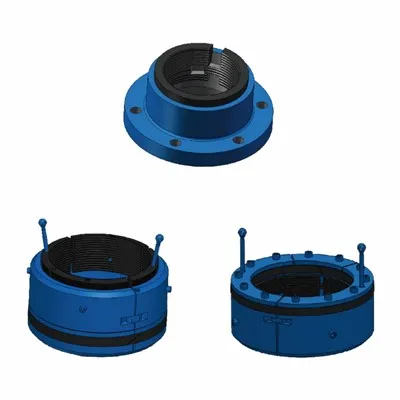
If you are considering using a plunger pump for gas transfer in your application, it’s important to consult with a professional who can help you evaluate your specific requirements. Our company offers a wide range of Plunger Pumps and Accessories that can be tailored to your gas transfer needs. We have a team of experts who can provide technical support and guidance to ensure that you choose the right pump for your application.
Stage Fracture Tools If you are interested in learning more about our products or have any questions regarding gas transfer with plunger pumps, please feel free to contact us. We are always happy to engage in a detailed discussion and assist you in making the best decision for your business.
References
- "Positive Displacement Pumps – Principles and Applications" by A. J. Stepanoff
- "Handbook of Pump Technology" by Igor J. Karassik et al.
- Industry – specific technical papers on gas transfer and plunger pump applications.
Beijing LKM Energy Technology Co., Ltd.
We are one of the most professional plunger pumps and accessories manufacturers and suppliers in China, specialized in providing high quality OEM&ODM service. We warmly welcome you to buy durable plunger pumps and accessories in stock here from our factory. Also, quotation is available.
Address: Room 205, No. 40 Fuqian Street, Pinggu Town, Pinggu District, Beijing
E-mail: sales@lkmpetro.com
WebSite: https://www.lkmpetro.com/
