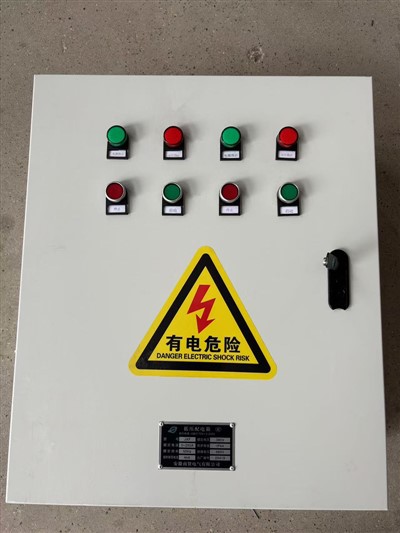
As a supplier of secondary distribution boxes, I’ve witnessed firsthand the critical importance of corrosion resistance in these electrical components. Secondary distribution boxes play a pivotal role in electrical systems, distributing power from a primary source to multiple secondary circuits. They are often installed in various environments, from industrial settings to outdoor locations, where they face the constant threat of corrosion. In this blog, I’ll delve into the corrosion – resistance requirements for secondary distribution boxes, sharing insights from my experience in the industry. Secondary Distribution Box
Understanding Corrosion and Its Impact on Secondary Distribution Boxes
Corrosion is a natural process that occurs when metals react with their environment, typically oxygen, water, and other chemicals. In the case of secondary distribution boxes, corrosion can lead to a range of problems. Firstly, it can compromise the structural integrity of the box. A corroded box may develop holes or weakened areas, which can expose the internal electrical components to dust, moisture, and other contaminants. This not only increases the risk of electrical malfunctions but also poses a safety hazard, such as electrical shocks or fires.
Secondly, corrosion can affect the electrical conductivity of the box. If the metal parts inside the box corrode, it can increase the resistance in the electrical circuits, leading to power losses and inefficient operation. This can result in higher energy consumption and potentially damage the connected electrical equipment.
Environmental Factors Influencing Corrosion Resistance Requirements
Industrial Environments
Industrial settings are often harsh environments for secondary distribution boxes. They are exposed to high levels of pollutants, such as chemicals, acids, and alkalis. For example, in a chemical manufacturing plant, the air may contain corrosive gases like sulfur dioxide or nitrogen oxides. In such environments, secondary distribution boxes need to have a high level of corrosion resistance. The boxes should be made of materials that can withstand chemical attacks and have a protective coating that acts as a barrier between the metal and the corrosive substances.
Outdoor Environments
Outdoor installations of secondary distribution boxes face different challenges. They are exposed to the elements, including rain, snow, sunlight, and high humidity. Moisture is one of the main culprits in causing corrosion. When water comes into contact with the metal of the box, it can initiate an electrochemical reaction that leads to rust formation. Additionally, sunlight can cause degradation of the protective coatings over time.
Secondary distribution boxes in outdoor settings should be designed to be watertight and have a UV – resistant coating. Stainless steel is a popular choice for outdoor boxes due to its high resistance to rust and corrosion. The box should also have proper drainage systems to prevent water from pooling inside.
Coastal Environments
Coastal areas present a unique set of challenges for secondary distribution boxes. The air in coastal regions contains a high concentration of salt particles. Salt is highly corrosive and can accelerate the corrosion process of metals. Secondary distribution boxes installed in coastal areas need to be extremely corrosion – resistant. Special coatings or materials with high resistance to saltwater corrosion, such as marine – grade stainless steel or aluminum alloys, should be used.
Corrosion – Resistance Materials for Secondary Distribution Boxes
Stainless Steel
Stainless steel is one of the most commonly used materials for secondary distribution boxes, especially in applications where high corrosion resistance is required. It contains chromium, which forms a passive oxide layer on the surface of the metal. This layer protects the steel from further oxidation and corrosion. Different grades of stainless steel are available, with varying levels of corrosion resistance. For example, 304 stainless steel is suitable for many general – purpose applications, while 316 stainless steel, which contains molybdenum, offers better resistance to corrosion in harsh environments, such as coastal areas and chemical plants.
Aluminum
Aluminum is another popular material for secondary distribution boxes. It has a natural oxide layer that provides some degree of corrosion resistance. Aluminum is lightweight, which makes it easier to install and transport. It is also a good conductor of heat, which can help in dissipating heat generated by the electrical components inside the box. However, aluminum may not be as suitable as stainless steel in highly corrosive environments. To enhance its corrosion resistance, aluminum boxes can be anodized or coated with a protective paint.
Plastics
Plastics are increasingly being used in the manufacturing of secondary distribution boxes. They offer excellent corrosion resistance, as they do not rust or corrode like metals. Plastics are also lightweight, easy to shape, and can be made in a variety of colors. They are suitable for applications where the box is not exposed to high mechanical stress. However, plastics may have limitations in terms of their temperature resistance and mechanical strength.
Coating and Surface Treatments for Corrosion Protection
In addition to choosing the right material, coating and surface treatments are essential for enhancing the corrosion resistance of secondary distribution boxes.
Powder Coating
Powder coating is a popular method for applying a protective layer to the surface of the box. It involves applying a dry powder to the metal surface and then heating it to form a hard, durable coating. Powder coating provides a uniform finish and can resist scratches, impacts, and corrosion. It also comes in a wide range of colors, allowing for customization of the box.
Galvanization
Galvanization is the process of applying a protective zinc coating to steel or iron. Zinc is more reactive than iron, so it corrodes preferentially, protecting the underlying metal. There are two main types of galvanization: hot – dip galvanizing and electro – galvanizing. Hot – dip galvanizing provides a thicker and more durable coating, making it suitable for applications where the box will be exposed to harsh environments.
Testing and Certification for Corrosion Resistance
To ensure that secondary distribution boxes meet the required corrosion – resistance standards, they need to undergo various tests. One common test is the salt spray test, where the box is exposed to a salt – mist environment for a specified period of time. After the test, the box is examined for signs of corrosion, such as rust or pitting.
There are also international standards and certifications related to corrosion resistance, such as the ISO 9227 standard for salt spray testing. Compliance with these standards gives customers confidence in the quality and durability of the secondary distribution boxes.
Meeting the Corrosion – Resistance Requirements: Our Approach as a Supplier
At our company, we understand the importance of corrosion resistance in secondary distribution boxes. We start by carefully selecting the materials for our boxes. We use high – quality stainless steel, aluminum, and plastics depending on the specific requirements of the application.
We also pay close attention to the coating and surface treatments. Our powder – coating process is carried out in a state – of – the – art facility, ensuring a uniform and durable coating. For galvanized boxes, we use hot – dip galvanizing to provide maximum protection.
In addition, we conduct rigorous testing on all our products. Our boxes are tested in accordance with international standards to ensure that they meet or exceed the required corrosion – resistance levels. We also work closely with our customers to understand their specific environmental conditions and provide customized solutions.
Conclusion and Call to Action
Corrosion resistance is a crucial factor in the performance and longevity of secondary distribution boxes. Whether they are installed in industrial, outdoor, or coastal environments, these boxes need to be able to withstand the corrosive forces they are exposed to. By choosing the right materials, applying appropriate coating and surface treatments, and conducting thorough testing, we can ensure that our secondary distribution boxes meet the highest standards of corrosion resistance.
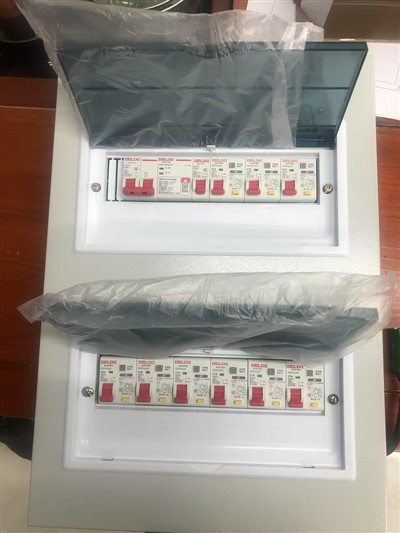
If you are in the market for reliable and corrosion – resistant secondary distribution boxes, we would love to talk to you. Our team of experts can help you choose the right product for your specific needs. Contact us to initiate a discussion about your requirements and let’s work together to find the perfect solution for your electrical distribution system.
Distribution Cabinet References:
- ISO 9227: “Corrosion tests in artificial atmospheres — Salt spray tests.”
- Technical literature on the properties of stainless steel, aluminum, and plastics used in electrical enclosures.
- Industry reports on the impact of corrosion on electrical equipment.
Anhui Nanxian Electric Co., Ltd.
With abundant experience, we are one of the most professional secondary distribution box manufacturers and suppliers in China. We warmly welcome you to buy advanced secondary distribution box for sale here and get quotation from our factory. All customized products are with high quality and low price.
Address: Factory Unit 03-2, Building 21, Feidong Yinfeng Industrial Park Co., Ltd., Northeast Corner of Manquan Road and Changle Road, Hefei Circular Economy Demonstration Park, Feidong County, Hefei City, Anhui Province.
E-mail: 541580567@qq.com
WebSite: https://www.nxelepower.com/
