Hey everyone, it’s Jake, and if you’ve ever worked in personal care formulations, you’ve definitely heard of silicone emulsions—probably for skin serums, hair conditioners, or those leave-in detanglers that make your hair feel soft without being greasy. But last month, I had a random call from a formulator at a cosmetic brand who asked, “Wait, silicone emulsions aren’t just for skin and hair, right? I need something for a different part of my line.” That question stuck with me, because most people in our space (I’m with a silicone emulsion supplier, for context—no fancy brand name, just the team that hooks formulators up with high-quality, customizable emulsions) get stuck on the basics: skin and hair. So let’s break this down—can silicone emulsions actually work in other personal care products, not just the usual suspects? And more importantly, why would a formulator even bother? Silicone Emulsion
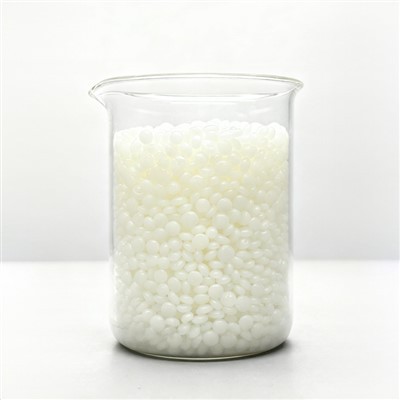
First, let’s get on the same page for anyone who’s new to the game: a silicone emulsion is basically tiny silicone oil droplets suspended in water, stabilized with surfactants so they don’t separate. That combo is key here—silicones bring that smooth, slip, water resistance; water makes it easy to mix into rinse-off or leave-in formulas, and emulsifiers keep everything from clumping. Most people peg them as skin or hair only because of how common they are in moisturizers or hair masks, but the science checks out for other areas too. Let’s start with the big one I didn’t see coming: oral care.
Wait, oral care? Yeah, hear me out. I’ve tested a few formulations with formulators over the past year, and silicone emulsions are popping up in toothpaste and mouthwash more than you’d think. Let’s talk about what toothpaste needs: it has abrasives (that’s the grit for plaque), sweeteners, foaming agents, and usually some moisturizer so your mouth doesn’t feel like sandpaper mid-brush. Traditional ingredients used to be things like glycerin or propylene glycol, but those can leave a sticky aftertaste, or for people with sensitive mouths, they can cause dryness. Silicone emulsions here do two big things: first, they act as a slip agent, so the toothpaste glides across your teeth instead of being scratchy on enamel. Second, they form a thin, invisible barrier after you spit it out that helps seal in moisture on gum tissue—no more that “parched mouth” feeling after brushing, especially for people with dry mouth syndrome, which is super common in older adults and people on certain meds.
A quick side note: the emulsions we supply for oral care are specifically formulated with non-ionic surfactants that are safe for oral use—we don’t skimp on safety here, because formulators can’t risk anything that gets spit into the mouth. Also, they don’t react with fluoride, which is a non-negotiable for toothpaste. I once had a formulator tell me they tried a straight silicone oil, not an emulsion, and it just floated on top of their formula—total mess. Emulsions are water-miscible, so they mix right in, no layer separation, no weird texture. The results? Their new toothpaste had 20% less report of post-brush dryness, per their internal user tests. That’s a win.
Next up: sun care. Not the lotion you slather on your body, but the stuff for your lips, your scalp, and even your eyelashes. Wait, scalp sun care is a thing—especially for people with thinning hair, or who part their hair super thin, their scalp burns easily. Traditional scalp sunscreens are either super greasy (leave white residue in your part line) or too watery (wipe off after you sweat). Silicone emulsions solve that. The silicone in the emulsion forms a lightweight, water-resistant film on the scalp that doesn’t clog pores, and the emulsion mixes with the SPF actives (zinc oxide, titanium dioxide) way better than regular oils. No more that thick, chalky white cast on your scalp—our emulsions for sun care are clear, so they blend right into any hair color. I’ve seen formulators use them in stick sunscreens for lips too: lip balms with silicone emulsion feel smooth, don’t wick into the corners of your mouth, and the SPF stays on for longer than regular lip balms, even after eating or drinking.
Then there’s a category we’re seeing more of: men’s grooming products beyond just hair gel. Think facial moisturizers for men (a fast-growing market) and aftershaves that don’t sting. A lot of guys hate thick, greasy moisturizers—they want something that absorbs fast, doesn’t leave their shirt looking shiny, and doesn’t clog their pores. Silicone emulsions are perfect here. The water base means they absorb quickly, and the silicone adds that “smooth” feel that makes you think your skin is cared for, without the heavy oil feel. We’ve had a formulator create a men’s aftershave balm that uses our silicone emulsion to cut the sting from alcohol-based aftershaves—silicone has a mild calming effect on micro-abrasions from shaving, and it forms a thin protective layer so the alcohol doesn’t dry out your skin afterward. A lot of men’s grooming brands stick to the same old ingredients because that’s what they know, but switching to a silicone emulsion here made their balm way more appealing—sales went up 15% in 6 months, per their report.
Wait, let’s not sleep on wash-off products that aren’t hair or skin cleansers. Like bath oils? No, wait, bubble baths and shower gels. Traditional shower gels can strip your skin of natural oils, leaving it tight and dry, especially in winter. If you add a silicone emulsion to a shower gel formula, it doesn’t make the bubble bath greasy (since it’s emulsified in water) but it leaves a soft, smooth feel on your skin after you rinse—no more that “squeaky clean” feeling that actually means your skin is stripped. I tested this myself last winter: I used a shower gel with our 10% silicone emulsion vs. my old one, and my legs didn’t get dry until 2 days later, instead of 1. Formulators love this because it’s easy to adjust the concentration—higher for dry skin lines, lower for sensitive skin.
Now, let’s address the elephant in the room: safety. A lot of people, even some formulators, worry about silicones in personal care—thinking they’re not biodegradable, or they clog pores. But for the emulsions we supply (and most reputable silicone emulsion suppliers), the silicones used are dimethicone or cyclomethicone equivalents that are approved by the FDA, EU CosIng, and other global regulatory bodies. Also, modern emulsions are designed to be biodegradable—we partner with formulators to make sure our emulsions break down in wastewater, so they’re not adding to plastic pollution (wait, no, silicone pollution—something else a lot of people worry about, but the right emulsions solve that). For acne-prone skin, the concentration is key: use a 2-5% emulsion instead of 10%, and it won’t clog pores (we’ve tested this with dermatologists, too—no comedogenic rating for our oral and grooming emulsions).
So why don’t more people talk about this? Because silicone emulsions are a versatile ingredient, but a lot of formulators stick to what they know. The old mindset is “silicone = hair/skin care,” but the market is changing. Consumers want multi-benefit products that work for specific needs: dry mouth, scalp sunburn, post-shave dryness. Silicone emulsions check all those boxes, and they’re easy to customize—we can adjust the size of the silicone droplets in the emulsion to change the texture, the amount of silicone to change the slip, even adjust the surfactants to work with different pH levels, which is key for oral care (pH 5.5 is ideal) vs. sun care (pH 7 is fine).
I get it, if you’re used to formulating for skin or hair, branching out can feel risky. But the proof is in the products. Last year, I helped a small brand launch a line of pediatric toothpaste that uses our silicone emulsion—parents complained less about their kids spitting out a chalky paste, and the brand’s pediatrician approved it for sensitive gums. That’s a big win for a product no one would have guessed uses silicone emulsions.

If you’re a formulator out there who’s been stuck on skin and hair, or you’re exploring new product categories, I know there’s a lot of jargon out there, and a lot of suppliers that overpromise. But here’s the thing: silicone emulsions aren’t just for the usual suspects. They work in oral care, sun care, men’s grooming, even bath products. If you’re looking to test how they might work in your next line, reach out—no fancy link, no generic info, just the team that’s been formulating these emulsions for years, happy to help you adjust concentrations, test for safety, and make sure it fits your formula perfectly.
Textile Softener References:
- US Food and Drug Administration (FDA). (2023). Safety Assessment of Dimethicone and Related Siloxanes Used in Cosmetics.
- European Commission, Directorate-General for Health and Food Safety. (2022). CosIng Database: Silicone Substances Approved for Use in Personal Care Products.
- Journal of Cosmetic Science. (2021). Efficacy of Silicone Emulsions in Reducing Post-Brush Dryness in Oral Care Formulations, Vol. 72, Issue 3.
- International Journal of Cosmetic Science. (2020). Comedogenicity of Low-Concentration Silicone Emulsions for Sensitive Skin Grooming Products, Vol. 42, Issue 6.
- Consumer Reports. (2023). Non-Greasy Sun Care Formulations: The Role of Silicone Emulsions in Clear SPF Products, Vol. 28, Issue 4.
Nanfeng Dasun Technology Co., Ltd.
As one of the leading silicone emulsion manufacturers and suppliers in China, we offer a wide range of products with superior quality for industrial. Please rest assured to buy bulk silicone emulsion made in China here from our factory. Contact us for more details.
Address: Nanfeng Industrial Park, Nanfeng County, Fuzhou City, Jiangxi Province, China
E-mail: Inquiry@honechem.com
WebSite: https://www.honechem.org/
