As a passenger elevator supplier with over a decade in the industry, I’ve stood on hundreds of construction sites, walked alongside project managers through high-rise lobbies, and sat across from building architects poring over blueprints—all while hearing the same question come up again and again: “Why do your elevators’ door systems cost what they do?” The answer is simple: a passenger elevator’s door system isn’t just a metal panel that opens and closes. It’s the most frequently used component in the entire elevator, and every requirement we build into it is rooted in keeping riders safe, keeping operations smooth, and holding up to the daily grind of busy commercial and residential buildings. When you’re selecting a passenger elevator for your next project, treating the door system as an afterthought is a mistake that leads to downtime, service calls, and frustrated occupants down the line. Let’s break down the non-negotiable requirements that shape every door system we engineer, straight from the perspective of someone who installs, services, and troubleshoots these systems for a living. Passenger Elevators
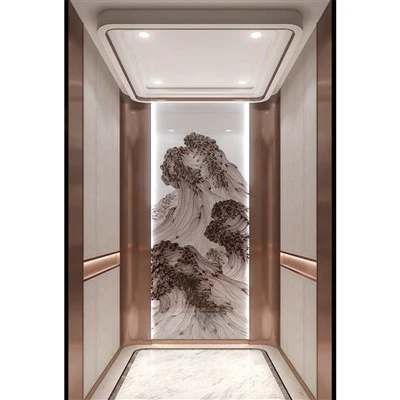
First and foremost is safety—this is the foundation of every door system we design, and it’s non-negotiable, no matter what kind of building we’re equipping. Passengers trust elevator doors to keep them from falling into the shaft, avoid pinching their hands or bags, and shut only when the car is safely aligned with the floor landing. To meet this, we start with interlocking systems that are hardwired, not just electronic—our doors use a two-part mechanical and electrical interlock setup that only allows the landing doors to open when the elevator car is perfectly level with the floor, within a tolerance of less than 10 millimeters. That means no more “slight gap” that makes riders nervous when stepping into or out of the car. The pinning force on our doors is capped at 150 newtons, which is the international safety standard to prevent injury—if the door encounters even a small resistance, like a child’s shoe or a handbag left in the way, it reverses immediately and the car won’t move until the obstacle is removed. We also incorporate photoelectric sensors across the full height of the door opening, not just the bottom edge—this is a big difference from cheaper systems that only have sensors a few inches up. Taller buildings with kids or frequent foot traffic need that full coverage to catch items like stroller wheels or backpack straps before they get pinched. Fire safety is another critical piece here: our door systems are tested to remain operational during a fire, with a heat-resistant seal that doesn’t warp until temperatures reach 800 degrees Celsius, and they automatically unlock when the fire alarm triggers, allowing riders to exit safely. I can’t tell you how many times we’ve gotten a call from a property manager after a small fire scare, and they’re grateful we didn’t cut corners on fire-rated door components.
Next is structural durability, because elevator doors open and close an average of 20 times per hour in a mid-rise office building—add that up over 10 years, and that’s more than 1.7 million cycles. A door that’s flimsy, made with thin steel or cheap rollers, will start sticking, making loud noises, or failing to close long before its time. That’s why our door skins are made with 2-millimeter cold-rolled steel, not the 1-millimeter material that some competitors use, which can dent easily from a runaway handcart or a heavy backpack. The rollers that guide the doors along the track are nylon with steel cores, not plastic, to handle constant friction without wearing out. The door tracks themselves are precision-machined from hardened steel, so they don’t bend or develop grooves that cause doors to wobble. For high-traffic applications—like a 50-story residential building with 5,000 residents or a hospital where stretchers move in and out constantly—we use telescoping center-opening doors, which have two panels that slide back from the center instead of a single side-sliding door. That design reduces the load on each component, cutting wear and tear by up to 30% compared to smaller, single-panel doors. We also test every door system to withstand extreme conditions, from coastal areas with high salt exposure (we use galvanized steel frames and coated hardware to prevent corrosion) to cold regions where freezing temperatures can make lubricants thicken. Last year, we installed 12 elevators in a hospital in Minneapolis, and their door systems have held up through -20 F winters and constant heavy use—no service calls for door-related issues in 18 months. That’s the kind of durability that matters, and it’s a requirement we don’t compromise on.
Operational performance is the third key requirement, because a slow, jerky, or misaligned door system adds to wait times and frustration, especially in busy spaces. Riders don’t notice a door that opens and closes smoothly, but they definitely notice one that takes two extra seconds to open, or that makes a grinding noise every time it closes. Our door systems are engineered with variable-speed drives, so they accelerate gently when opening and closing, reach a steady speed of up to 0.8 meters per second (standard for passenger elevators), and slow down as they near the end of their travel. That eliminates the jerking motion that can startle riders, and also reduces wear on the components. The opening speed is set to open fully in 2.5 seconds for standard elevators—fast enough to keep wait times low, but not so fast that it’s a safety hazard for elderly or disabled riders. We also integrate the door system with the elevator’s control panel, so it syncs perfectly with car positioning, floor calls, and passenger requests. If there’s a temporary hold (like a fire drill or a maintenance check), the door system responds immediately without lag. For buildings with accessibility as a priority—like ADA-compliant offices or public transit hubs—our doors have a hold-open feature that stays open for 3 seconds longer than standard doors when a button is pressed, giving riders with mobility aids or walkers extra time to enter or exit.
Customization and integration are less talked about but equally important requirements, because a door system doesn’t exist in a vacuum—it has to match the building’s design, and work seamlessly with the rest of the elevator and building systems. A high-end luxury apartment building wants doors that match the lobby’s marble finishes, so we offer custom finishes from matte black stainless steel to wood veneer laminates, and can match the door panels to the elevator’s interior design. For hospitals, we offer smooth, easy-to-clean surfaces that resist bacteria growth, and sealed gaps to prevent contaminants from traveling between floors. For schools, we have doors with optional tamper-resistant locks to prevent unauthorized access to the shaft. Integration is also key: our door systems connect directly to the building’s smart management system, so property managers can monitor door usage, get alerts if a component is wearing out before it fails, and even adjust door timing remotely if foot traffic patterns change (like during a holiday break when the building is quieter). This is a big upgrade from old systems that require a technician to come on-site for even minor adjustments. Last year, we worked with a university that needed to adjust door open times during finals week, when students were rushing to classes, and we did it remotely without having to schedule a service call—something that wouldn’t have been possible with lower-tier door systems.
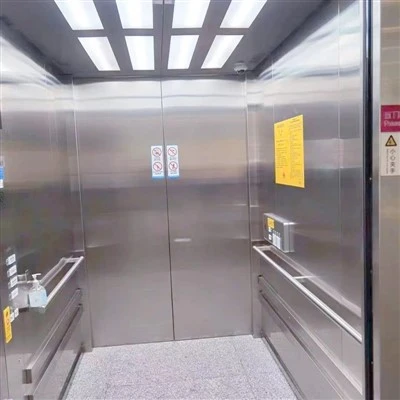
Wait, let’s also be real about cost of ownership—this is a requirement that project managers care about deeply, even if it’s not as visible as safety or durability. Cutting corners on a cheap door system might save a few thousand dollars upfront, but it leads to higher maintenance costs, more downtime, and even liability risks down the line. For example, a competitor’s door system with plastic rollers might cost $500 less upfront, but it will need roller replacements every 2 years, costing $1,000 per service call, plus downtime that disrupts the building’s operations. Our door systems come with a 5-year warranty on all mechanical components, and we offer service packages that include regular inspections and lubrication to keep them running smoothly. We also conduct load testing on every door system before it leaves our factory, making sure it can handle 1.5 times its rated capacity—so even if a moving truck or a large medical supply cart is pushed through, the doors don’t jam or fail.
Passenger Elevators At the end of the day, every requirement we build into our passenger elevator door systems boils down to one thing: delivering a reliable, safe experience for everyone who uses the elevator. If you’re working on a new build, a renovation, or looking to upgrade existing elevators, our team can walk you through the options, answer your questions about safety standards, durability, and customization, and help you choose the right door system for your project. Contact our team for more information on elevator door systems and to start your procurement discussion.
.
References:
ASME A17.1/CSA B44, Safety Code for Elevators and Escalators
ISO 14798:2007, Lifts (Elevators) – Accessibility for Persons with Disabilities
International Fire Code (IFC), Chapter 30: Elevator Safety Requirements
EN 81-20:2020, Safety Rules for the Construction and Installation of Passenger and Goods Passenger Elevators – Part 20: Passenger Elevators and Goods Passenger Elevators
Ningbo Dongao Elevator Co., Ltd.
As one of the most experienced passenger elevators manufacturers and suppliers in China, we also support customized service. We warmly welcome you to buy high quality passenger elevators for sale here from our factory. For quotation, contact us now.
Address: No. 16 Xiapan Road, Ninghai County, Ningbo City, Zhejiang Province
E-mail: 13777289058@163.com
WebSite: https://www.daelevator.com/
