Hey there, fellow builders, metal fabricators, and roofing squad leads. Let’s cut to the chase: if you’re in the market for roofing sheet roll forming machinery, you’ve probably stared at a standard, off-the-shelf machine before and thought, “This works, but it’s missing that one tiny thing that would make my whole operation ten times smoother.” Maybe you work with super thin corrugated sheets for tiny residential roofs, or thick standing seam for commercial high-rises that need zero gaps. Or maybe your factory space is weirdly narrow—like, you can’t fit a 100-foot-long standard machine through the back door without demolishing a wall. If any of that sounds like you, you’ve definitely wondered: Can a roofing sheet roll forming machine even be customized? Roofing Sheet Roll Forming Machine
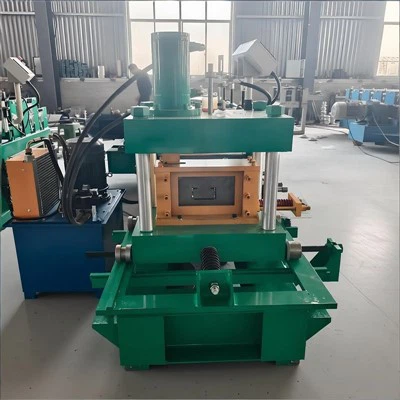
Spoiler alert: Yes. 100% yes. I’m a supplier who’s been doing this for nearly a decade—before you ask, no, I’m not gonna drop my brand name or a sketchy link (you’ll get the “hit me up for quotes” bit at the end, promise)—and I’ve customized over 200 of these bad boys for small shops, big corporations, and everything in between. Most people act like custom machinery is some fancy, high-priced pipe dream only billionaires can afford, but that’s total BS. Let me break down what customization actually looks like, why it’s not just a gimmick, and how it works so you know you’re not getting ripped off.
First, let’s get one thing straight: Standard machines aren’t one-size-fits-all. I see it all the time. A lot of new fabricators will buy the cheapest off-the-shelf unit from some random overseas seller, and then within six months, they’re pissed because it can’t handle their 24-gauge galvanized steel (it only does 26), it spits out sheets that are 1 inch too narrow for their project specs, or it’s so loud the OSHA inspector stopped by their shop and gave them a warning. Off-the-shelf machines are built to cover the basics, but basic only works if your business is super basic. If you’re taking on custom projects, or serving a specific niche, customization is non-negotiable.
Now, what actually gets customized on these machines? Let’s run through the most common requests I get, because 9 times out of 10, they’re the exact pain points everyone has.
First up: Material compatibility. This is the big one. Some guys only work with light aluminum for residential gutters and small roof patches. Others do thick, heavy steel for industrial warehouses or agricultural barns—think 12-gauge (that’s super thick, for reference) that’ll hold up to hail and 10 years of wind. A standard machine is calibrated for a specific range, usually between 22 and 26 gauge. If you go outside that? It either bends the sheets, doesn’t form them tight, or wears out the rollers in two months. Custom calibration fixes that. I once had a guy out in Texas who needed to work with 10-gauge steel for custom horse arena roofs—no standard machine could handle that. We swapped out the rollers for heavy-duty chrome ones, cranked up the motor torque, and adjusted the forming pressure so it didn’t warp the metal. He’s been running that same machine for five years now, no issues. On the flip side, I had a tiny roofing contractor in Chicago who worked with ultra-thin 28-gauge sheet metal for mobile home roofs—standard machines would flims out the edges. We lightened the roller pressure, adjusted the cutting blades so they didn’t tear the thin metal, and it’s worked wonders for him.
Next up: Sheet dimensions. Standard machines pump out 3-foot, 3.5-foot, or 4-foot wide sheets, right? But what if your project needs 2.5-foot wide sheets for a small shed, or 5-foot wide panels for a commercial office tower? I can’t tell you how many times builders have had to hand-cut sheets after they come off the standard machine, which wastes time and material. Custom machines can be built to output any width you need, from 1 foot to 10 feet—whatever your project calls for. And it’s not just width: Some projects need custom lengths too, like a 20-foot long panel for a cathedral ceiling that no standard machine makes. We can adjust the cut-to-length sensor on the roll forming machine so it cuts exactly where you want, no overhang or short sheets. Oh, and don’t even get me started on profile shapes. Standard machines do corrugated, standing seam, and maybe a few common custom profiles. But if you need a unique profile—like a ribbed shape for a historic building restoration, or a flat edge for a metal roof that’ll have solar panels mounted on it—custom rollers can be machined from scratch to make exactly that shape. I worked on a project last year restoring a 1920s warehouse in New York that needed a super specific, ornate metal roof profile—nothing standard would do. Our engineering team scanned the original old roof panels, machined custom rollers, and the machine spit out exact replicas that matched every curve and gap. That’s the kind of work standard machines can’t touch.
Then there’s the fit around your shop. Let’s be real: Not every shop has a huge, open warehouse with 20-foot ceilings and a 15-foot wide loading dock. A lot of small fabricators or contractors work out of a 10,000 square foot shop with low ceilings, narrow doorways, or even a tight space where they need to tuck the machine next to other equipment. Standard roll forming machines are usually 60 to 80 feet long—way too big for some spaces. So we customize the length of the machine. We can make a compact, 30-foot long machine that fits through a 12-foot wide door, or even modular machines that you can break down into sections to move around a shop if you need to rearrange. I also had a guy in Florida who needed his machine to sit on a mezzanine above his shop floor—super tight space. We built a machine that’s shorter in height too, so it didn’t hit the ceiling joists up there. That’s the kind of little detail off-the-shelf companies never ask about.
Wait, let’s not forget extra features. Customization doesn’t have to be just about fixing a problem—it can be about adding something that makes your life easier. For example, some guys want an automatic stacker that sorts the finished sheets by size, so they don’t have to do it by hand for 8 hours a day. Others want a built-in deburrer that smooths the cut edges of the sheets, so they don’t have to go back with a grinder and risk cutting their hands. I once had a contractor in Arizona who works on big solar roof projects—he needed a machine with a built-in hole punch to make spots for mounting screws, so he didn’t have to move the sheets to a separate punching machine. That cut his labor time for each job by 30%. Little add-ons like that are totally customizable, and they don’t have to cost a fortune if you plan ahead.
Now, let’s get to the part everyone worries about: Is customizing worth the cost, and is it reliable? I get it—you’re probably thinking, “Standard machines are cheap, why would I pay more for custom?” Let’s do a quick breakdown. A standard off-the-shelf machine might cost $15,000, but if it’s not the right fit, you’re gonna waste thousands in extra labor, material waste, and maybe even have to buy another machine a year later. I’ve seen guys buy a cheap standard machine and dump $5,000 in repairs and workarounds in 12 months. A custom machine will cost you more upfront—usually between 10% to 25% more than a comparable standard one—but it’s built exactly for your needs, so you don’t have that waste. And when it comes to reliability? Custom machines aren’t flimsy. We use the same high-quality motors, rollers, and parts for custom builds as we do for standard ones. The only difference is we tweak them to fit your exact specs, not a one-size-fits-all model. I have custom machines I built 8 years ago that still run 12 hours a day, six days a week, no major issues.
But wait—how does the customization process actually work, so you don’t get scammed? Let’s walk through what a typical order looks like, because it’s way simpler than you think. First, you tell me exactly what you need. Like, “I work with 14-gauge steel, need 4-foot wide, 25-foot long standing seam panels, fit through a 10-foot wide door, want an automatic stacker.” No vague stuff, just hard specs. Then, my engineering team (we have three full-time guys who do nothing but design custom machines) will draw up a prototype, send it to you to approve—no changes until you’re 100% happy. Once you sign off, we machine all the custom parts, assemble the machine, test it in our shop with your material to make sure it works, and then ship it to your place. We also do on-site setup and training, so you or your crew know exactly how to run it. No “figure it out on your own” garbage.
I should also call out a common mistake people make: Waiting too long to customize. Some guys wait until they have a huge project lined up, then try to rush a custom machine, and it takes forever (usually 4-6 weeks for a small custom build, 8-10 weeks for something big). If you plan ahead, it’s no problem. Also, don’t fall for companies that say “custom is too complicated” or “we can’t do that.” I’ve heard it all— “Can you make a machine that runs on 220V instead of 480V?” (Yes, for small shops that don’t have heavy power.) “Can you make it quiet enough so my neighbors don’t complain?” (We add soundproofing to the motor and rollers.) “Can it work with recycled metal?” (Adjusted rollers to avoid scratches, since recycled metal has more debris.) If it’s a real need, it’s doable.
Let’s circle back to the original question: Can a roofing sheet roll forming machine be customized? The short answer is yes, and it’s not just a luxury for big companies—it’s a game-changer for small to medium businesses that want to stop wasting time and money on one-size-fits-all junk. I’ve seen contractors go from struggling to hit project deadlines because their machine can’t keep up to cranking out 500 perfect panels a day with a custom build. I’ve seen fabricators expand their customer base because they can now make unique profiles no one else around them has. That’s the power of customization.

Now, if you’re sitting there thinking, “Hey, I have a specific pain point with my current machine that’s making my life hell” or “I need a machine built for my exact projects, not the generic stuff I see online,” hit me up. We can talk through your needs, no pressure, no pushy sales talk. Tell me what materials you use, what sizes you need, how much space you have, and we’ll figure out a solution that works for you. Don’t waste another month fighting with a machine that wasn’t built for your business.
Double Layer Roofing Sheet Machine References:
- Metal Forming Magazine. (2022). Custom Roll Forming: Meeting Evolving Industry Needs.
- Occupational Safety and Health Administration (OSHA). (2021). Machinery Safety Guidelines for Metal Fabrication.
- American Society of Mechanical Engineers (ASME). (2020). Standard Practices for Custom Roll Forming Machine Design.
- National Roofing Contractors Association (NRCA). (2023). Metal Roofing Panel Specifications for Custom Projects.
Botou Shengda Cold Forming Machinery Equipment Manufacturing Co., Ltd.
As one of the most professional roofing sheet roll forming machine manufacturers and suppliers in China, we’re featured by quality products and good price. Please rest assured to buy durable roofing sheet roll forming machine made in China here from our factory. Contact us for more details.
Address: Liuxin Village, Botou Town, Botou City, Cangzhou City, Hebei Province
E-mail: cangzhoushengda888@163.com
WebSite: https://www.sdrfm.com/
