As a supplier of humic acid fertilizer, I’ve often encountered inquiries from hydroponic growers about the suitability of our product in their systems. Hydroponics, a method of growing plants without soil using mineral nutrient solutions in a water solvent, has gained significant popularity in recent years due to its efficiency and ability to precisely control plant growth conditions. The question of whether humic acid fertilizer can be integrated into hydroponic setups is not only relevant but also crucial for those looking to enhance the productivity and health of their hydroponic crops. Humic Acid Fertilizer
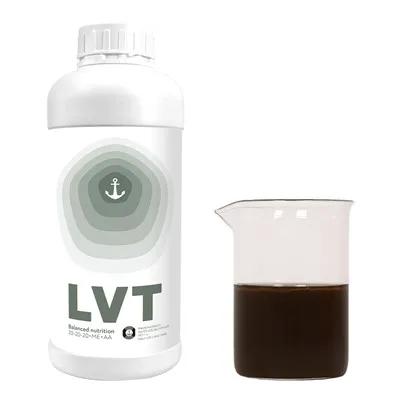
Understanding Humic Acid Fertilizer
Humic acid is a complex organic compound formed by the decomposition of plant and animal matter over long periods. It is a key component of humus, the dark, organic material present in soil. Humic acid fertilizers are made by extracting and purifying humic acid from sources such as leonardite, peat, and lignite. These fertilizers offer a range of benefits in traditional soil – based farming.
One of the primary advantages of humic acid is its ability to improve soil structure. In soil, it acts as a natural chelating agent, binding to essential nutrients like iron, zinc, and manganese and making them more available to plants. Humic acid also enhances soil aeration, water retention, and cation exchange capacity (CEC). This means that soil treated with humic acid fertilizer can hold and release nutrients more effectively, reducing the risk of nutrient leaching and improving overall soil fertility.
In addition to its soil – improving properties, humic acid can stimulate plant growth. It promotes root development by increasing the number and length of root hairs, which in turn leads to better nutrient and water uptake by plants. Humic acid also helps plants cope with stress factors such as drought, salinity, and disease by enhancing their physiological processes and antioxidant defenses.
Hydroponic Systems: A Different Environment
Hydroponic systems operate on different principles compared to traditional soil – based agriculture. In hydroponics, plants are grown in a soilless medium, and their nutrient requirements are met through a precisely formulated nutrient solution. This solution typically contains all the essential macro and micronutrients that plants need in easily accessible forms.
The absence of soil in hydroponics eliminates many of the soil – related problems such as soil – borne diseases, pests, and poor soil structure. However, it also means that the natural buffering and nutrient – holding capacity provided by soil are lacking. Hydroponic growers must carefully manage the pH, electrical conductivity (EC), and nutrient balance of the solution to ensure optimal plant growth.
The nutrient solution in hydroponics is usually a mixture of inorganic salts that dissolve readily in water. These salts are chosen for their high solubility and ability to provide nutrients in a form that plants can quickly absorb. The focus in hydroponics is on providing a clean, stable, and well – balanced nutrient environment for plants.
Can Humic Acid Fertilizer be Used in Hydroponic Systems?
The short answer is yes, humic acid fertilizer can be used in hydroponic systems, but with some considerations.
Benefits in Hydroponics
-
Nutrient Chelation and Availability: Just as in soil, humic acid can act as a chelating agent in hydroponic nutrient solutions. It binds to metal ions such as iron, copper, and zinc, preventing them from precipitating out of the solution. This ensures that these essential micronutrients remain in a soluble and available form for plants to take up. In hydroponics, where maintaining nutrient solubility is crucial, the chelating property of humic acid can significantly improve nutrient utilization by plants.
-
Root Growth and Development: Humic acid has been shown to stimulate root growth in hydroponic plants. By promoting the development of a larger and more efficient root system, plants can absorb nutrients and water more effectively from the nutrient solution. This is particularly beneficial in hydroponics, where the root system is the primary interface for nutrient uptake.
-
Stress Tolerance: Hydroponic plants can still be exposed to various stress factors, such as temperature fluctuations, nutrient imbalances, and disease pressure. Humic acid can enhance the plant’s stress tolerance by improving its antioxidant defense mechanisms and physiological processes. It helps plants better withstand adverse conditions and maintain healthy growth.
-
Improvement of Microbial Activity: Although hydroponic systems are often considered sterile, there is a growing recognition of the importance of beneficial microorganisms in these systems. Humic acid can provide a food source and a favorable environment for beneficial bacteria and fungi in the hydroponic solution. These microorganisms can help break down organic matter, improve nutrient cycling, and protect plants from pathogens.
Challenges and Considerations
-
Compatibility with Nutrient Solutions: Not all humic acid fertilizers are suitable for hydroponic use. Some humic acid products may contain impurities or components that can react with the inorganic salts in the nutrient solution, causing precipitation or changes in the solution’s pH and EC. It is essential to choose a high – quality, water – soluble humic acid fertilizer that is specifically formulated for hydroponic applications.
-
Dosage and Application: Determining the appropriate dosage of humic acid fertilizer in hydroponics is crucial. Overdosing can lead to an increase in the organic matter content of the nutrient solution, which may encourage the growth of unwanted microorganisms or cause issues with nutrient imbalances. It is recommended to start with a low dosage and gradually increase it while monitoring the plant’s response and the properties of the nutrient solution.
-
Monitoring and Maintenance: The addition of humic acid to a hydroponic system requires more vigilant monitoring of the nutrient solution. Growers need to regularly check the pH, EC, and nutrient levels to ensure that the solution remains balanced. They may also need to adjust the frequency of solution changes or nutrient replenishment to account for the presence of humic acid.
Practical Experience and Case Studies
In my experience as a humic acid fertilizer supplier, many hydroponic growers have successfully incorporated our products into their systems. For example, a greenhouse operation growing lettuce hydroponically reported an improvement in the quality and yield of their crops after adding a small amount of our humic acid fertilizer to their nutrient solution. The lettuce plants had greener leaves, stronger root systems, and were more resistant to diseases.
Another case involved a hydroponic tomato grower. By using our humic acid fertilizer, the grower was able to reduce the frequency of nutrient – related problems such as blossom – end rot. The enhanced nutrient availability and root growth led to larger, more flavorful tomatoes with a higher shelf – life.
Conclusion
In conclusion, humic acid fertilizer can be a valuable addition to hydroponic systems. It offers a range of benefits, including improved nutrient availability, enhanced root growth, and increased stress tolerance. However, growers need to be aware of the challenges and considerations associated with its use, such as compatibility with nutrient solutions, proper dosage, and increased monitoring requirements.

As a supplier of high – quality humic acid fertilizers, we are committed to providing our customers with the products and support they need to succeed in hydroponic cultivation. Our humic acid fertilizers are carefully formulated to ensure maximum solubility and compatibility with hydroponic nutrient solutions.
Amino Acid Water Soluble Fertilizer with Elemental Nutrients If you are a hydroponic grower interested in exploring the benefits of humic acid fertilizer for your crops, I encourage you to reach out and discuss your specific needs. We can provide you with detailed information about our products, guidance on dosage and application, and answer any questions you may have. Our team of experts is ready to assist you in making the most of this innovative approach to hydroponic farming.
References
- Stevenson, F. J. (1994). Humus Chemistry: Genesis, Composition, Reactions. Wiley.
- Chen, Y., & Aviad, T. (1990). The chemistry of soil organic matter – humic substances. In Advances in Soil Science (pp. 1 – 81). Springer.
- Resh, H. M. (2013). Hydroponic Food Production: A Definitive Guidebook for the Advanced Home Gardener and the Commercial Hydroponic Grower. CRC Press.
Weifang Lvweite Bio-Tech Co., Ltd.
With abundant experience, we are one of the leading manufacturers and suppliers of humic acid fertilizer in China. Please rest assured to buy bulk high quality fertilizers made in China here from our factory. If you have any enquiry about cooperation, please feel free to email us.
Address: No. 6 Xinchuan Rd, Xin’an Street, Anqiu City, Shandong, China
E-mail: info@lvtfertilizer.com
WebSite: https://www.lvtfertilizer.com/
