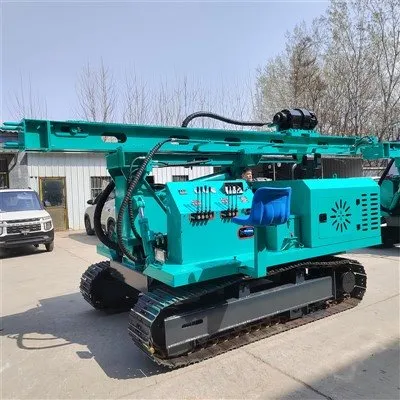
If you’re in the market for a tunnel drilling rig — or if you already own one and are tired of scrambling for parts mid-project — let’s cut to the chase: knowing exactly which spare parts to stock can save you thousands in downtime. As someone who’s been supplying these rigs for nearly a decade, I’ve seen way too many teams stall a job because they skipped a routine parts check. Today, I’m breaking down the must-have spares, the ones that’ll keep your rig running when every second counts. Tunnel Drilling Rig
First, let’s start with the stuff that takes the most abuse on a daily basis: drill bits. I’m not talking about the generic bits you’d grab at a hardware store — tunnel rig bits are custom to the rock type. If you’re digging through soft sandstone, you want tungsten carbide insert (TCI) bits, not the diamond ones meant for granite. Most operators don’t realize that replacing worn bits early prevents damage to the drill head housing. I always tell new clients to keep at least twice as many spare bits as they think they’ll need. For a standard 12-foot rig, that’s 8–12 bits — and yes, I’ve had guys show up with only two, and end up sitting idle for three days waiting for a replacement. It’s not just the bits, either: the bit adapters that connect them to the drill stem. Those small, threaded pieces take a beating every time you start and stop drilling, so a pack of 4–6 adapters should never be missing from your parts bin.
Next, let’s talk hydraulic components. Tunnel rigs rely on hydraulics for almost every movement — raising the boom, rotating the drill, adjusting pressure. The most common failure here is hydraulic hoses. Over time, they rub against metal parts, crack, and leak. I recommend keeping a variety of hose sizes on hand: ½-inch for the drill rotation line, ¾-inch for the feed cylinder, and a few adapters to connect different types. Don’t forget the hydraulic filters, either. A clogged filter will cause pressure drops that ruin your drill’s performance. Replace filters every 500 hours of operation, and keep 2–3 extra sets because a dirty filter is often the first sign of a bigger issue (like a leak in the hydraulic pump). Speaking of pumps, a spare hydraulic pump isn’t cheap, but if you’re working on a long project, it’s worth the investment. I once supplied a rig to a contractor who skipped that, and when his pump failed 10 miles into a tunnel, he had to pay an extra $15,000 for emergency shipping. That pump cost him $2,800 — lesson learned.
Then there’s the drill stem and its associated parts. The drill stem is the long, hollow tube that carries the drilling fluid to the bit. It’s made of heavy-duty steel, but it’s not indestructible. Bends in the stem can happen if the rig hits a hidden rock formation, and a bent stem can throw off the entire drill alignment. I tell clients to keep one spare drill stem section — usually 10 feet, matching their rig’s model. Along with that, the drill stem connectors. These are the threaded couplings that link each section together. If a connector strips, you can’t add more stem to drill deeper, so having 3–4 spare connectors is non-negotiable. Also, check the O-rings on the connectors — even a small leak in the drilling fluid line can cause pressure loss, so keep a pack of O-rings in different sizes handy.
Now, let’s move to the electrical and control parts. Modern tunnel rigs have tons of sensors, screens, and motors to track drilling depth, pressure, and alignment. The most common failure here is the drill motor’s carbon brushes. These small, graphite pieces wear down over time, and if they break, the motor stops spinning. Most rig techs can replace a brush in 15 minutes, so keeping a set of 4–6 brushes is a quick fix. The control panel’s fuses and relays are another big one. A blown fuse can shut down the entire rig, and relays control everything from the boom to the feed. I always stock 10–15 assorted fuses (10A, 15A, 20A) and 5 relays for standard rig models. If you’re working in dusty environments (which almost all tunnel projects are), you’ll also want spare air filters for the electrical enclosure. Dust buildup causes overheating, and a spare filter is a $20 part that prevents a $5,000 motor replacement.
Don’t overlook the drilling fluid system parts. Drilling fluid (also called mud) cools the bit, carries rock cuttings out of the hole, and stabilizes the tunnel walls. The key parts here are the mud pump’s valves and seals. Valves control the flow of mud, and if they get clogged or worn, pressure drops. Seals prevent mud from leaking out of the pump, so a bad seal will waste fluid and reduce efficiency. I suggest keeping a valve kit and 5–6 seals for your mud pump. Also, the mud agitator — a small mixer that keeps the mud from settling. If the agitator’s impeller breaks, the mud will thicken and clog the lines. A spare impeller is cheap and easy to swap out, so add that to your list too.
Last but not least, safety parts. Tunnel drilling is high-risk, and you can’t skip these. The emergency stop button is obvious, but what about the fire suppression system’s cartridges? If your rig has a dry chemical fire extinguisher, the cartridges need to be replaced every two years, and having a spare on hand is mandatory. Also, the proximity sensors that prevent the rig from hitting tunnel walls. These sensors are delicate, and a rock hit can break them. A spare sensor or two will keep your rig from misaligning during drilling, which can cause structural issues later.
Now, let’s talk about what not to hoard. You don’t need 10 drill bits if you’re only doing a small residential tunnel, and you don’t need a whole hydraulic pump if you’re working on a short project. The key is matching the spares to your job size. For small projects (under 500 feet), stick to the basics: bits, adapters, hoses, filters, and carbon brushes. For large, long projects (over 1,000 feet), add the drill stem section, a spare hydraulic pump, and extra connectors.
As a supplier, I see all the time how a lack of spare parts can turn a smooth project into a nightmare. If you’re putting together a parts inventory and you’re not sure what fits your specific rig model, just reach out. We’ve helped dozens of operators build their stock lists, and we can hook you up with genuine parts that are built to last. No generic knockoffs here — we only supply parts that match your rig’s specifications, so you won’t have to deal with compatibility issues.
At the end of the day, tunnel drilling is all about consistency. Keeping the right spares on hand isn’t just a convenience — it’s a way to stay on schedule and avoid costly delays. If you’re ready to stock up on spare parts for your rig, or if you want to chat about your project’s specific needs, don’t hesitate to connect with our team. We’re here to make sure you have everything you need to get the job done right.
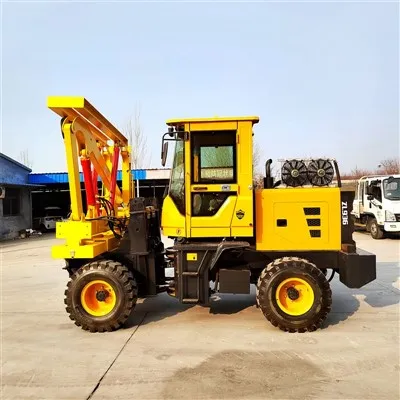
Solar Pile Driver References
- Robbins Company. (2021). Tunnel Boring Machine Spare Parts Handbook.
- International Association of Tunnel and Underground Construction. (2022). Maintenance Guidelines for Drilling Rig Components.
- Caterpillar Inc. (2020). Hydraulic System Spare Parts for Heavy Construction Equipment.
- National Institute for Occupational Safety and Health. (2021). Safety Components for Underground Drilling Equipment.
- Sandvik Mining and Rock Technology. (2022). Drill Bit and Stem Spare Part Recommendations for Tunnel Projects.
Jining Tongzhao Machinery Co., Ltd.
Jining Tongzhao Machinery Co., Ltd. is one of the most professional tunnel drilling rig manufacturers and suppliers in China, also supports customized service with low price. Please feel free to wholesale advanced tunnel drilling rig for sale here from our factory. Contact us for pricelist.
Address: 160 meters north of Hongxiang Road, east of Jiamei Road, Jining Economic Development Zone
E-mail: 13668674521@163.com
WebSite: https://www.cntzmachine.com/
