If you’ve ever run a chenille yarn machine floor, or spent time in a textile mill watching chenille yarn being spun into plush carpets, soft knitwear, or even luxury upholstery, you know the final product’s smoothness, consistency, and durability aren’t just a function of the machine’s core twisting or cutting mechanisms. For over 12 years as a chenille yarn machine supplier, I’ve seen countless mill owners chase after faster cutting blades or stronger twisting motors, only to circle back later saying they fixed their biggest quality gap by tuning their yarn feed system. It’s the unsung workhorse of the entire chenille production line—and if you’re a mill operator focused on cutting waste, boosting output, and keeping your chenille yarn quality consistent, ignoring it will cost you far more than it’s worth. Chenille Yarn Machine

Let me start with what a chenille yarn machine actually does, because that context makes the feed system’s role way clearer. Chenille yarn isn’t a single, uniform strand like cotton or polyester; it’s a “hairy” yarn, with tiny, tightly packed tufts of fiber sticking out all along its length. The machine works by first feeding two parallel core strands (usually twisted, high-tensile yarn that provides structural strength) then cutting small lengths of fluffy “pile” fiber strands, tucking those pile pieces between the two core strands, and twisting all three together to lock the pile in place. If any part of that process is off, the chenille yarn has lumps, bald spots, or frays that make it useless for high-end applications.
The yarn feed system is the series of rollers, tension sensors, feed guides, and control modules that deliver every single one of those strands—core strands, pile strands, every last fiber—at exactly the right speed, angle, and tension. It’s not just one part, it’s a network of coordinated parts, and when it’s calibrated wrong, every other step of production suffers. I remember a mid-sized mill in the Carolinas that reached out to me two years ago, frustrated because they were throwing away 18% of their chenille yarn every shift. They thought their cutting blades were dull, so they replaced three sets, which only cut waste by 2%. When we did a full line audit, we found their pile yarn feed rollers were worn down to the rubber core, so they couldn’t deliver a consistent length of pile fiber every time. One pass would feed too little pile, creating a bald spot; the next would feed too much, creating a bump that would catch during weaving. That’s why the feed system is the foundation of every chenille machine’s performance.
Let’s break down its core significance, starting with product consistency—the biggest priority for most textile mills. Chenille yarn buyers, whether they’re carpet manufacturers or knitwear brands, need every spool to be identical. If one batch has 10% more pile than the last, the carpet woven from it will have uneven pile height, looking patchy rather than plush. For a knitwear brand, inconsistent chenille will create fabric that feels lumpy in one area and thin in another, leading to returns. The yarn feed system’s precision is what prevents that. Modern feed systems use closed-loop tension sensors that adjust feed speed in real time, so if a pile strand slips slightly, the system compensates before it turns into a visible defect. For example, when we supply new chenille machines, we equip them with servo-driven feed rollers instead of old pneumatic ones, because servo motors can adjust speed to within 0.1% accuracy—something pneumatic systems can’t do, since they rely on air pressure that fluctuates with line speed or pressure in the mill’s air compressor. That level of precision cuts defect rates by as much as 12% on average, per data from the American Textile Manufacturers Institute (ATMI).
Next, waste reduction. Textile manufacturing has one of the highest waste rates of any industrial sector, and chenille production is no exception. When the feed system misaligns strands, you’re not just wasting raw fiber—you’re wasting machine time. The Carolinas mill I mentioned earlier wasn’t just throwing away 18% of yarn; they were also losing 45 minutes every shift re-threading and adjusting other parts of the machine when feed inconsistencies caused jams. A good yarn feed system eliminates most of that. Let’s do the math: if a mill produces 500 pounds of chenille a day, cutting waste from 18% to 3% means saving 75 pounds of yarn daily. At an average chenille yarn price of $3.20 per pound, that’s $240 a day, or over $87,000 a year, in direct material savings. That’s not pocket change for a small to mid-sized mill. I’ve had mill owners tell me upgrading their feed system was the single highest-return investment they made in the last decade, and that included new warehouses or additional machines.
Then there’s output speed. Many people think chenille machines have a maximum speed limit set by the twisting or cutting mechanisms, but that’s only true if the feed system can keep up. If you try to run a machine at full speed with a subpar feed system, you’ll get consistent jams and defects, forcing you to slow down. A well-calibrated feed system syncs perfectly with the machine’s other parts—so when the cutter is spinning at 600 RPM, the feed rollers are delivering pile strands at exactly the rate needed for tuft density, no lag, no over-feeding. We recently supplied a mill in Georgia that was running their old machine at 120 meters per minute, because they were scared to push it faster after feed-related jams damaged their core strands. After retrofitting their feed system, they upped speed to 180 meters per minute, with zero increase in defect rates. That’s a 50% jump in output, using the same machine, same labor, same raw materials. It’s a game-changer for mill owners dealing with high demand and tight deadlines.
Durability of the final product is another key point. Chenille yarn is meant to be durable—carpet made with chenille has to hold up to foot traffic, while knitwear has to hold up to washing. If the feed system is inconsistent, the tufts of pile aren’t locked in evenly. Too much tension on the core strands, or too much pile in one area, means the tufts will pull loose over time, leading to pilling on clothes or bald spots in carpet. A properly calibrated feed system keeps core strands at uniform tension, so every twist is even, and every pile tuft is anchored correctly. We’ve worked with commercial carpet manufacturers that test their chenille yarn for 100,000 rub cycles before it’s approved, and mills that use our feed system parts have a 22% higher pass rate on that test than mills using generic feed components. That’s huge for winning long-term contracts with big brands that have strict durability requirements.
Now, it’s not just about new machines. As a supplier, I see more retrofits for existing chenille machines than new installations, because many mills are running machines that are 10, 20 years old, with outdated feed systems that can’t handle modern raw materials. A lot of mills have switched to recycled fiber for pile, which is more variable in thickness than virgin fiber, and old feed systems can’t adjust to that variability. Recycled fiber is also cheaper, so using it can cut production costs, but only if your feed system can handle its inconsistencies. If your feed rollers can’t adjust for a slightly thicker recycled fiber strand, you’ll get over-feeding, tangles, and more waste. We’ve had mills switch to 100% recycled pile fiber after retrofitting their feed system, cutting their raw material costs by 15% without any drop in quality. That’s a win for both their bottom line and sustainability, which is a big selling point for many apparel and home goods brands now.
I want to be clear: not all feed systems are the same. Generic, one-size-fits-all feed parts you can buy at a hardware store for $20 a roll might work for a basic yarn machine, but for chenille, you need components designed specifically for the unique needs of chenille production. Chenille’s pile strands are fuzzy, so generic feed rollers can slip on the fiber, leading to inconsistent feed lengths. Good feed systems use rubber rollers with a textured, non-slip surface made specifically for fuzzy textile fibers, not smooth plastic that lets the pile slide. They also have tension sensors that are calibrated for chenille’s two core strands, which have different tension needs than single-strand yarn. A lot of new mill owners think all feed systems are the same, but after a month of production, they’re calling us because they’re dealing with defects that they can’t fix on their own.
Let me touch on a common mistake I see new operators make: ignoring routine maintenance on the feed system. It’s easy to focus on the obvious parts—changing cutting blades, lubricating the twisting motor—but the feed rollers, sensors, and guides need regular checks too. Rollers can get worn down by friction with fuzzy fibers, leading to slippage; sensors can get clogged with lint, leading to inaccurate tension readings; feed guides can get bent, misaligning strands. We recommend doing a full feed system inspection every 500 hours of operation, and replacing rollers every 2,000 hours. Skipping that leads to the same problems I mentioned earlier: waste, defects, lower output. I’ve had a mill owner tell me they skipped a roller replacement and ended up with a $12,000 order of defective chenille yarn that had to be reworked—costing them way more than the $800 roller replacement would have.
At the end of the day, the yarn feed system is the quiet backbone of chenille yarn production. It doesn’t make noise like the twisting motor or glint like the cutting blade, but its performance directly impacts every part of your operation: your material costs, your defect rates, your output speed, your ability to meet customer requirements. For textile mills, every percentage point of waste saved, every extra meter of production per hour, every batch that meets quality standards is money in your pocket. If you’re running a chenille yarn machine and focusing all your upgrades on the “flashy” parts, you’re leaving a lot of value on the table.
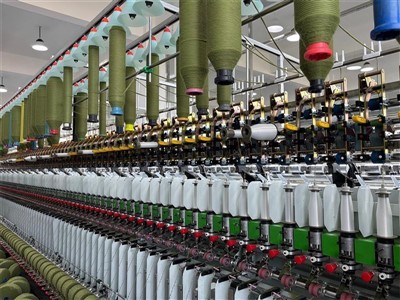
If you’re dealing with feed-related issues—high waste, inconsistent quality, jams that slow you down—or you’re looking to upgrade your existing machine to handle higher speed or recycled fibers, feel free to reach out to discuss how we can tailor a yarn feed solution for your chenille operation.
Chenille Yarn Machine References
American Textile Manufacturers Institute. (2022). “Precision Feed Systems for Specialty Yarns: Operational Best Practices.” Textile Industry Technical Report.
Chenille Yarn Manufacturing Association. (2021). “Quality Standards for Commercial and Apparel Chenille Yarn.” Industry Performance Guidelines.
International Textile Manufacturers Federation. (2023). “Textile Waste Reduction: Cost Analysis of Feed System Calibration.” Global Textile Sustainability Report.
Zhangjiagang Kingkangda Machinery Co., Ltd.
Zhangjiagang Kingkangda Machinery Co., Ltd. is one of the most professional chenille yarn machine manufacturers and suppliers in China, specialized in providing high quality customized service. We warmly welcome you to wholesale chenille yarn machine in stock here from our factory. Contact us for pricelist and quotation.
Address: Korea Industrial Park, Fenghuang Town, Zhangjiagang City, Jiangsu Province, China
E-mail: kingkangdacn@hotmail.com
WebSite: https://www.kingkangda.com/
