Hey there! I’m a supplier for LPG fueling stations, and let me tell you, handling fuel price fluctuations is like riding a wild roller – coaster. You never really know when the next big dip or sudden climb is coming. LPG Fueling Station
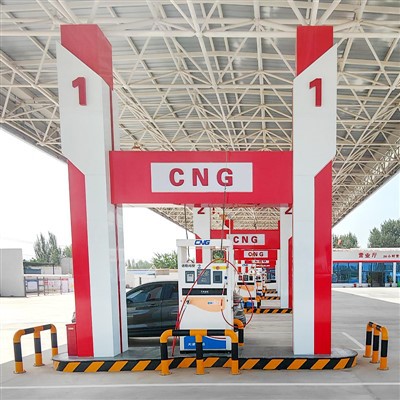
First off, let’s talk about what causes these price fluctuations in the LPG market. A whole bunch of factors are at play here. Global oil and gas prices are a huge one. Since LPG is often produced as a by – product of oil and gas refining, when the prices of crude oil and natural gas go up or down, LPG prices usually follow suit. For example, if there’s a political crisis in a major oil – producing region, it can disrupt the supply of crude oil. This in turn affects the refining process and drives up the cost of LPG.
Another factor is seasonal demand. During the colder months, the demand for LPG spikes because it’s used for heating in many areas. With more people wanting to keep warm, the prices tend to go up. In the summer, when the need for heating drops, the demand for LPG decreases, and so do the prices.
Weather events can also have a big impact. Hurricanes or other natural disasters can damage refineries and transportation infrastructure. If a major refinery gets shut down due to a storm, the supply of LPG gets cut off, and prices shoot up as the available fuel becomes scarcer.
So, how do we, as LPG fueling station suppliers, deal with all this? Well, one of the first things we do is keep a close eye on the market. We’re constantly checking industry reports, news updates, and price trends. It’s like being a detective, always looking for clues about what’s going to happen next. By staying informed, we can anticipate price changes and make smarter decisions.
We also use hedging strategies. Hedging is kind of like an insurance policy for fuel prices. We enter into contracts with suppliers or financial institutions to buy or sell LPG at a fixed price in the future. This way, even if the market price goes crazy, we’re protected. For instance, if we think the price of LPG is going to rise in the next few months, we can lock in a lower price now through a hedging contract.
But hedging isn’t without its risks. If we make a wrong prediction and the price actually goes down, we might end up paying more than the market rate. So, it’s a bit of a balancing act. We have to analyze the market carefully and make educated guesses about where the prices are headed.
Inventory management is another crucial aspect. We need to find the sweet spot between having enough LPG to meet customer demand and not having too much sitting around when the prices are dropping. When we expect prices to go up, we might increase our inventory. We buy more LPG at the current lower price so that we can sell it later at a profit when the prices rise.
On the other hand, if we think the prices are going to fall, we try to keep our inventory levels low. We don’t want to be stuck with a large amount of LPG that we bought at a high price. It’s a constant juggling act, and we have to adjust our inventory based on our market forecasts.
We also work closely with our fueling station partners. We communicate with them regularly about the price situation and help them come up with strategies to deal with the fluctuations. For example, we might suggest that they offer special promotions during off – peak seasons to boost sales when the prices are lower. We also help them understand how the market works so that they can make informed decisions about their pricing and operations.
In addition to these internal strategies, we also keep an eye on government policies and regulations. Sometimes, governments can implement taxes, subsidies, or price controls that affect the LPG market. For instance, if the government decides to increase the tax on LPG, it will directly raise the cost for both us and the fueling stations. We need to factor these policy changes into our pricing and business plans.
Now, let’s talk about how these price fluctuations impact our customers, the fueling stations. When the prices go up, the fueling stations face a tough choice. They can either pass on the increased cost to their customers, which might lead to a decrease in sales as people look for cheaper alternatives. Or, they can absorb some of the cost themselves, which cuts into their profit margins.
On the flip side, when the prices go down, it can be a great opportunity for the fueling stations to attract more customers. They can offer lower prices and gain a competitive edge in the market. But they still need to be careful not to lower their prices too much and end up losing money.
As a supplier, our goal is to help the fueling stations navigate these price fluctuations as smoothly as possible. We want to build long – term relationships with them, and that means providing them with reliable supply and support.
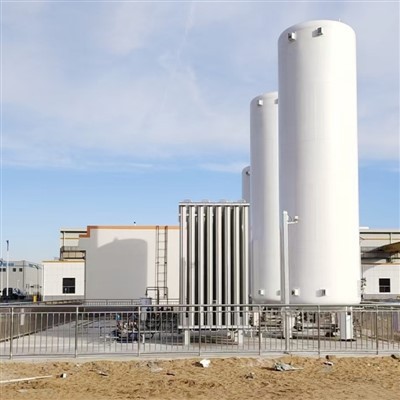
If you’re running an LPG fueling station and are tired of struggling with these price swings, we’re here to help. We’ve got the experience and the strategies to keep your business profitable. Whether it’s through smart hedging, inventory management, or just good old – fashioned market advice, we can work together to make the most of the situation. Contact us to start a discussion about how we can meet your LPG supply needs and help you deal with those pesky price fluctuations.
Cryogenic Pressure Vessel References
- Industry reports from energy research firms
- News articles from reliable energy – focused media
- Conversations with experts in the LPG market
- Historical price data and trends analysis
Tianjin Baiyan Technology Co., Ltd.
With abundant experience, we are one of the most professional lpg fueling station manufacturers and suppliers in China. We warmly welcome you to buy customized lpg fueling station made in China here from our factory. If you have any enquiry about pricelist and quotation, please feel free to email us.
Address: No. 36, Jixian Road, Shuangqiaohe Development Zone, Jinnan District, Tianjin, China
E-mail: sales@tjbaiyan.com
WebSite: https://www.baiyan-tech.com/
