Hey there! I’m a supplier of carrier tape materials, and today I wanna chat about how our carrier tape materials interact with different types of storage conditions. It’s a crucial topic, ’cause the right storage can make a huge difference in the performance and longevity of these materials. Carrier Tape Materials
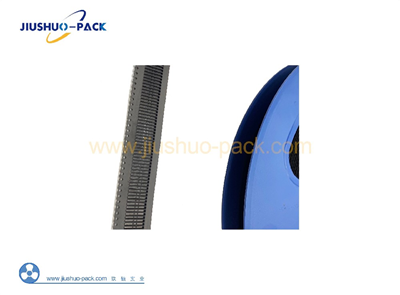
Let’s start with temperature. Temperature plays a big role in how carrier tape materials behave. Most of the time, we recommend storing these materials in a moderate – temperature environment. If it’s too hot, like in a warehouse where the summer heat can soar, the carrier tape can start to warp. For plastics used in carrier tapes, high temperatures can cause them to soften. When they soften, the shape might change, and the pockets on the carrier tape, where the components are held, might not be the right size anymore. This means the components won’t fit snugly, which can lead to issues during the pick – and – place process in the manufacturing of electronics.
On the other hand, if it’s extremely cold, some carrier tape materials can become brittle. For example, certain polymers that are used in the tapes can lose their flexibility. When they’re brittle, they’re more likely to crack or break. And you don’t want that, ’cause a broken carrier tape can mess up the whole production line. So, a temperature – controlled storage area, around 20 – 25 degrees Celsius, is ideal for keeping carrier tape materials in top shape.
Next up is humidity. Humidity can be a sneaky culprit when it comes to carrier tape storage. High humidity levels can cause corrosion, especially if there are any metal parts in or on the carrier tape. Moisture in the air can react with the metal, forming rust. Rust not only makes the carrier tape look bad but can also affect its functionality.
For example, if there are metal contacts on the tape for electrical conductivity, rust can increase the resistance. This means that the electrical signals transmitted through the tape might be affected, leading to errors in the electronic devices that use these components.
In addition, high humidity can cause the tape to absorb water. Some carrier tape materials are hygroscopic, which means they can soak up moisture from the air. When they absorb water, they can expand. This expansion can change the dimensions of the tape, just like high temperatures do. And again, the pockets for the components might not be the right size.
Low humidity can also be a problem. In very dry conditions, static electricity can build up on the carrier tape. Static electricity is a big no – no in the electronics industry. It can attract dust particles to the tape, which can contaminate the components being transported in the carrier tape. And if the static charge is high enough, it can even damage sensitive electronic components. So, maintaining a relative humidity of around 40 – 60% is a good rule of thumb.
Now, let’s talk about light exposure. You might not think that light would have much of an impact on carrier tape materials, but it can. Ultraviolet (UV) light, in particular, can be harmful. Many carrier tape materials are made of plastics that can degrade when exposed to UV light for long periods. The UV rays can break down the chemical bonds in the plastic, causing it to become weak and brittle over time. This can lead to the same problems as cold temperatures, like cracking and breaking.
Even regular indoor light can have some effect, especially if the tape is stored close to bright lights for an extended period. To protect against light damage, it’s best to store carrier tapes in a dark place or use opaque storage containers.
Another factor to consider is the storage position. Some carrier tapes are quite thin and flexible, and if they’re stored in a way that they’re constantly bent or folded, it can cause stress on the material. This stress can lead to premature wear and tear. For example, the folds can create weak points in the tape, and over time, the tape might split at those points. It’s better to store carrier tapes on reels or in flat, straight – sided containers to keep them in a natural, unstressed state.
Let’s also touch on the impact of air quality. In areas with a lot of pollutants in the air, like near industrial zones or in big cities, these pollutants can settle on the carrier tape. Chemical pollutants can react with the materials of the carrier tape, especially if the tape has any coatings or special finishes. This reaction can damage the surface of the tape, making it less effective in protecting the components. Particulate matter in the air, such as dust and smoke, can also contaminate the carrier tape, leading to issues with component functionality.
Now, I know all these storage conditions might seem a bit overwhelming, but that’s where our carrier tape materials come in. We’ve done a lot of research and development to make our tapes as resistant as possible to these different storage challenges. Our carrier tapes are made from high – quality materials that can withstand a wide range of temperatures without warping or becoming brittle. We’ve also developed coatings that can protect against humidity and UV light.
But it’s still important for our customers to be aware of these factors. The better you store our carrier tapes, the longer they’ll last and the better they’ll perform. If you’re not sure about the right storage conditions for your specific application, we’re here to help. We have a team of experts who can give you advice on how to store our carrier tapes to get the best results.
We understand that different industries have different storage needs. For example, the automotive industry might need to store carrier tapes in a more rugged environment compared to the consumer electronics industry. That’s why we offer a variety of carrier tape materials to suit different requirements.
So, if you’re in the market for carrier tape materials, don’t just think about the price or the basic features. Consider how the tape will interact with your storage conditions. We’re confident that our carrier tapes can meet your needs, whether you’re storing them in a small workshop or a large – scale industrial facility.
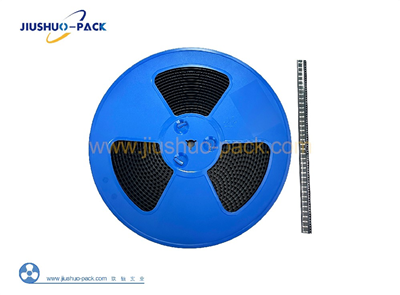
If you’re interested in learning more about our carrier tape materials or have any questions about storage conditions, we’d love to hear from you. Contact us to start a conversation about your requirements, and let’s work together to find the perfect carrier tape solution for your business.
Paper Carrier Tape References:
- Smith, J., "Materials Science for Electronic Packaging", 2018.
- Johnson, M., "Environmental Effects on Polymer Materials", 2020.
- Brown, A., "Storage and Handling of Industrial Packaging Materials", 2019.
Dongguan Jiushuo Industrial Co., Ltd.
As one of the most professional carrier tape materials manufacturers and suppliers in China, we also support customized service. Please feel free to buy high quality carrier tape materials made in China here from our factory. Contact us for more details.
Address: 11th Floor, Building 2, Chuangfu Center, Chashan Town, Dongguan City, Guangdong Province, China
E-mail: sales06@zaidaiw.com
WebSite: https://www.carriertape-pack.com/
